
 +995 511 114 899


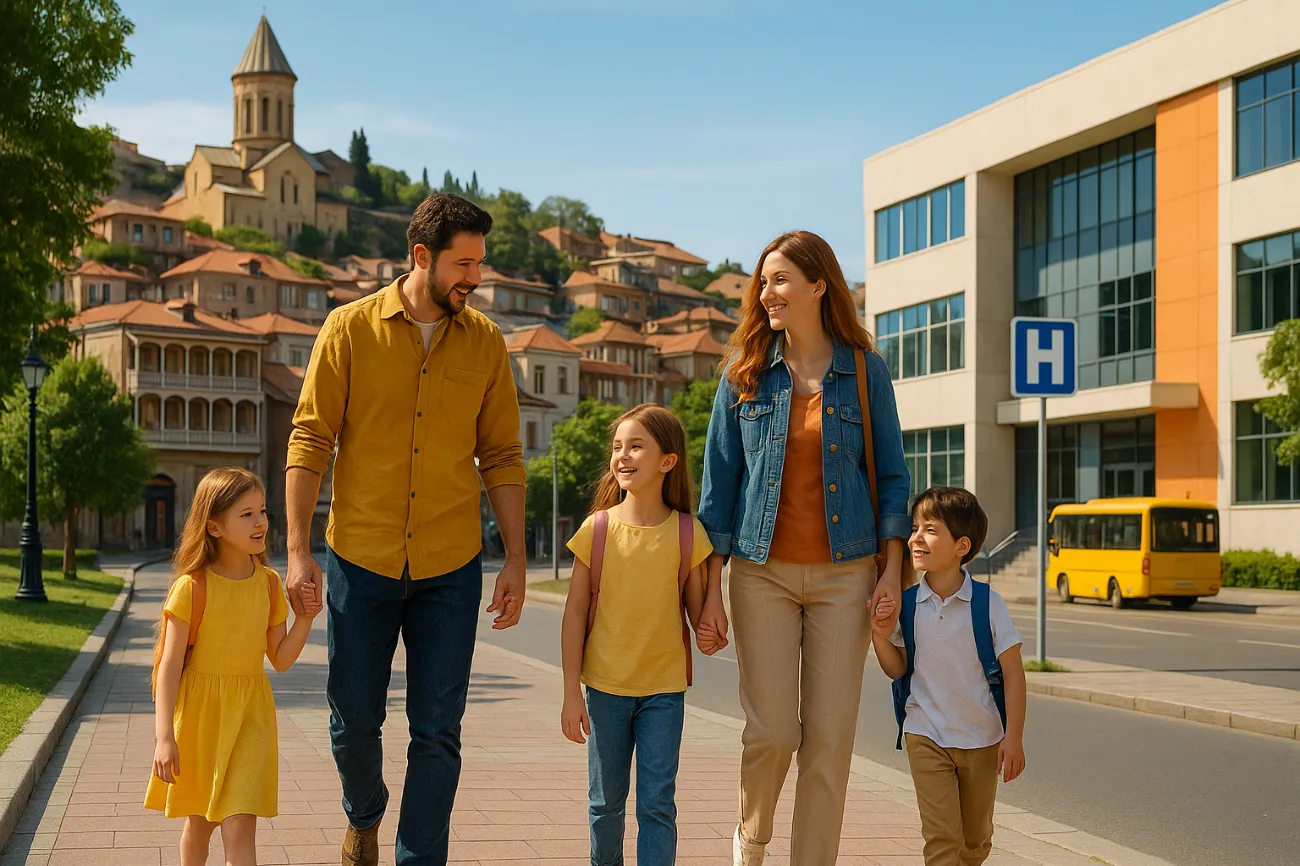

Why families choose Georgia to relocate
In recent years, Georgia has steadily taken its place among the top destinations for family relocation: the country combines visa-free entry, a mild climate, a friendly environment, a clear language situation and a moderate cost of living. For many families, this is an opportunity to spend a "trial year" without complicated bureaucracy, to evaluate schools, medicine and infrastructure in practice, and then make an informed decision about a long-term move to Tbilisi, Batumi or the quieter Kutaisi.
Key benefits for families
1) Visa-free entry and simple stay
- For citizens of the Russian Federation and a number of other countries there is a visa-free regime of up to 365 days per entry. This simplifies the "test" family move to Georgia without obligations and complicated procedures.
- Official information Ministry of Foreign Affairs of Georgia
Important: "Georgia allows you to live up to 1 year without a visa - this lowers the threshold of entry for families planning to evaluate schools, medicine and neighbourhoods to live locally."
2) Minimal language barrier
- The older generation often speaks Russian, while the younger generation speaks English. In Tbilisi and Batumi, English is the norm in services and private medicine.
- This speeds up the adaptation of children and parents, especially in the first months after relocation to Georgia.
Key fact: "Communication in everyday life and services is usually possible in Russian or English; learning Georgian is welcomed and speeds up integration".
3) A friendly and safe environment
- Street crime rates are low compared to many countries in the region; locals have a traditionally warm attitude towards children and families.
- For everyday life, this means quieter walks, safer yards, and open neighbours.
Highlight: "Hospitality and security are two factors that make families choose to live in Georgia, especially in the bedroom neighbourhoods of Tbilisi and Batumi."
Real estate in Georgia
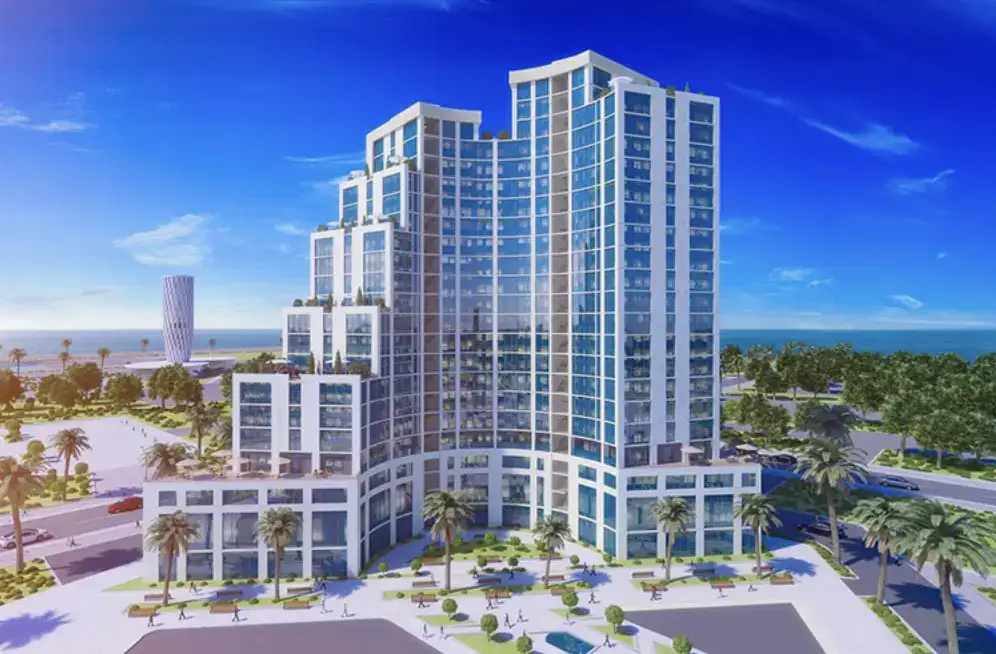

 Batumi
 from 29.4m²
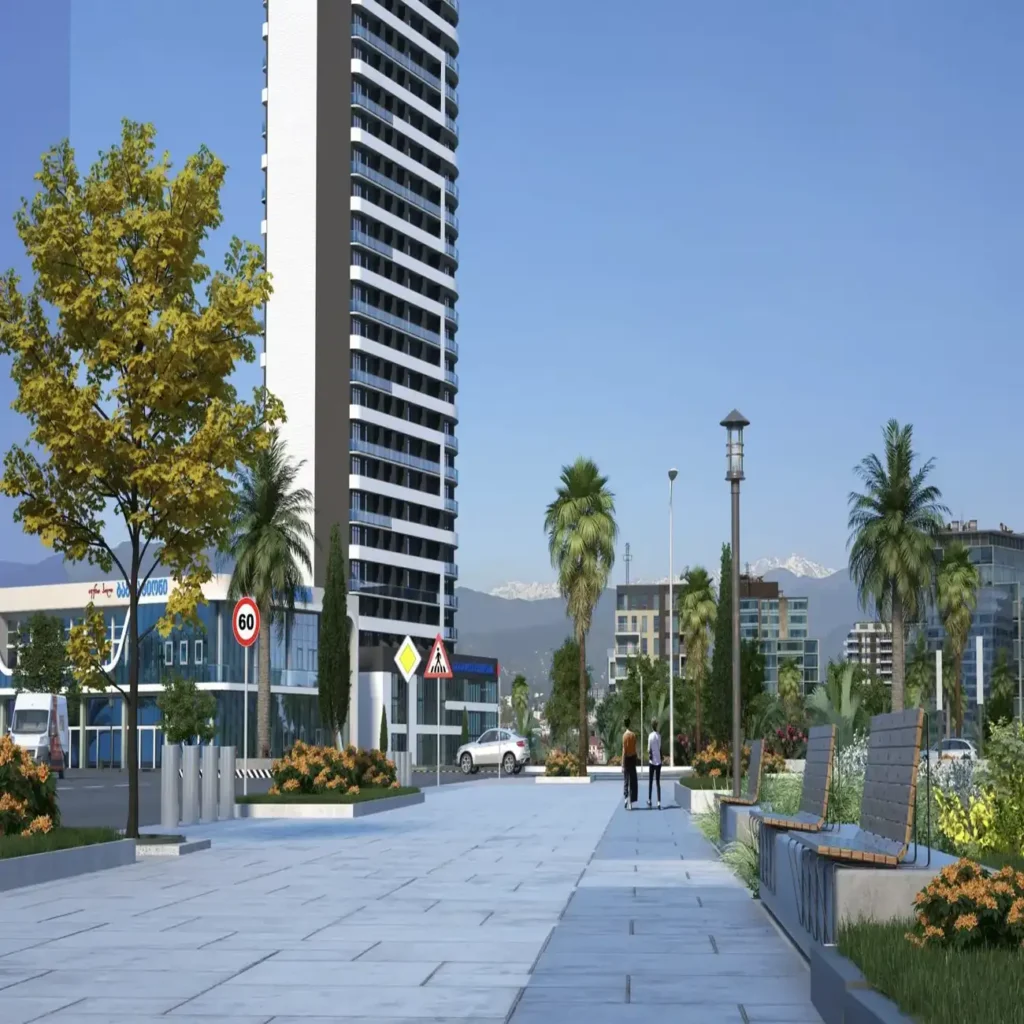
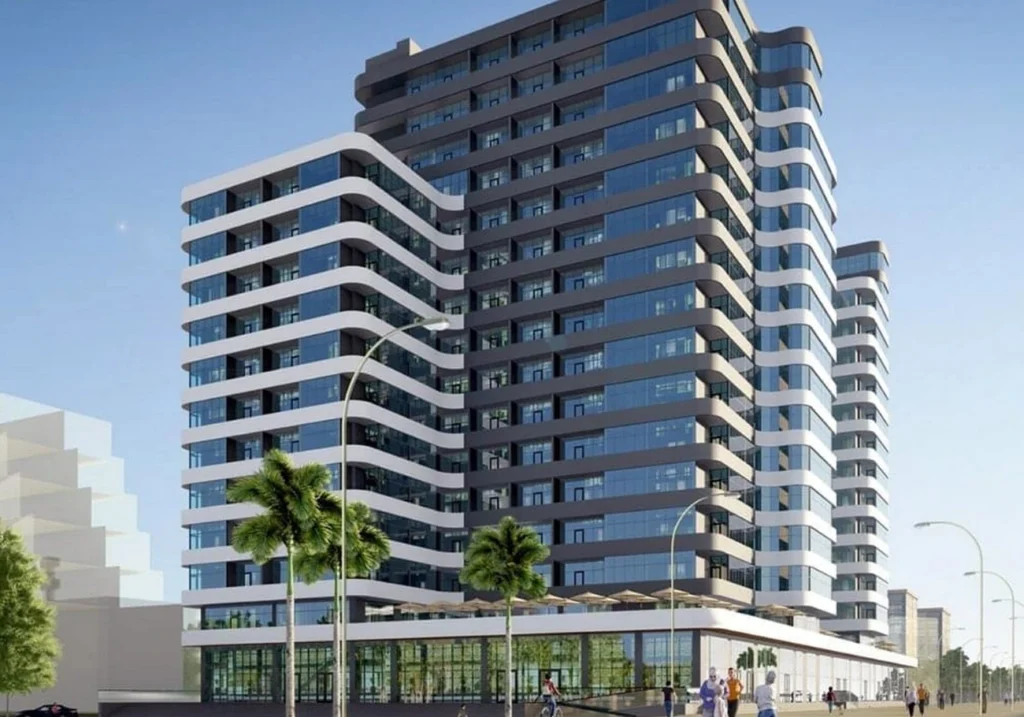 Batumifrom 29.63m²
4) Moderate cost of living and quality products
Compared to most European capitals, basic costs are lower: rent, food, transport. Examples (average values, may vary by neighbourhood and season):
- 1-room flat in Tbilisi: $500-700/month; in regions: $300-400/month
- Utilities (in winter with heating): $80-120/month
- Public transport: ~$0.35 per trip; taxis in the city: $2-5
- Products (in season): vegetables/fruits $1-2/kg, chicken $3.5-4/kg
A major plus: "Fresh fruits and vegetables almost year-round, moderate prices and developed farmers' markets help families keep their budgets under control."
5) Climate and nature for health and recreation
- Mild subtropical climate by the sea (Batumi) and mountain landscapes (Gudauri, Kazbegi) - for active weekends and recovery.
- Families appreciate being able to get from the capital to the mountains or the sea in a few hours.
To emphasise: "The combination of sea and mountains within the same country is rare; for the family holiday calendar, this is a significant argument."
6) Infrastructure for family life
- Schools and kindergartens: there are public (free for residents) and private options, including international schools in Georgia.
- Medicine: well-developed private sector, Russian and English-speaking specialists, affordable family insurance programmes.
Prices are approximate:
- Private kindergarten: $150-300/month
- Public school (middle segment): ~from $2,500/year; top ones - $5,000-20,000/year
- Basic level insurance policy: from ~$90/year; extended - ~$300-350/year and above
The gist: "There are choices, from free public options for residents to strong private and international schools - families can tailor the format to fit their budget and goals."
Legal status and residence permit: what a family needs to know
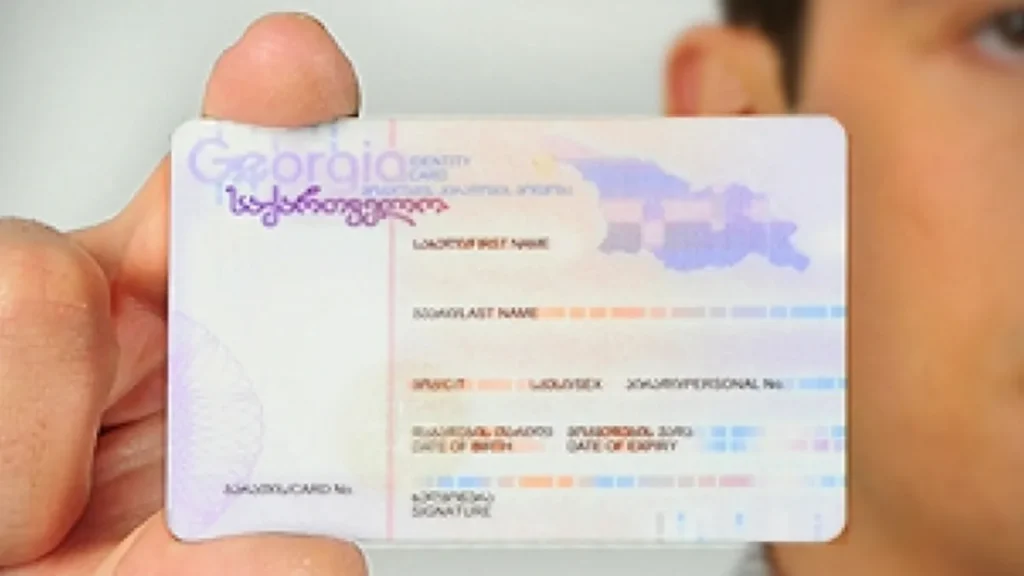
Basic rules for visa-free stay
- Up to 365 days per entry for citizens of a number of countries, including the Russian Federation. The rule allows a family to spend a "test year" without obtaining a visa.
- Re-entry - new countdown period of stay (check the current conditions before travelling).
Important: "Visa-free travel is fine for a 'trial year', but the does not replace a residence permitIf a family needs stable access to schools/gardens, long-term rent, banking facilities and participation in social programmes".
When a family needs a residence permit and what benefits it provides
- Legality of long-term residence over 365 days and predictability of status.
- Access to public schools and municipal kindergartens for children with residence permit and residence registration (free of charge, subject to availability of places). Practice: electronic registration according to the schedule.
- Jobs, business, banks, medicine: simplified identification and contracts.
Key Thesis: "Residence permit - basic condition for normal family life in Georgia: schools, medicine, housing, work and services are becoming more accessible and understandable."
Main types of residence permits for families
- Labour (by employment)
Ground: labour contract with a Georgian employer. Term usually up to 1 year, renewable. It is possible to submit spouse and children by reunification. - Entrepreneurial (business/self-employed)
Basis: registration of a sole proprietorship/company and proof of income/turnover. For renewal, a minimum annual turnover is often required (benchmark - five-digit amounts in GEL, conditions vary). - By property
Basis: purchase of property with a cadastral value not lower than the prescribed threshold. Market benchmarks: in open sources there are thresholds of the order of $100 000-$300 000 for investment categories; final criteria are defined by law and may be updated. - Family (reunification)
Grounds: spouse/children of a resident or citizen of Georgia. Deadline synchronised with the main applicant. - Training
Basis: Enrolment in an accredited institution (high school/college/university). Contract and proof of funding required. Ministry of Education: MES.
Check for relevance: "Real estate thresholds and turnover requirements for business residence permits periodically change. Check the terms and conditions at Invest in Georgia and the House of Justice before filing."
Where and how to file: procedure, deadlines, costs
- Organ: Agency for the Development of Public Services (via Public Service Halloffices in Tbilisi/Batumi/Kutaisi, etc.).
- Feeding: in person at the House of Justice or online (if electronic identification is available).
- Timeframe for review: standard ~30 days; accelerated - ~20 or ~10 days (increased duty).
- State fees (benchmarks): $70-150 for consideration (by urgency) + $10-25 for issuing a resident card.
- Translations/notarisation/apostilletentatively $10-25 per page of translation; apostille - at the rates of the country of issue.
Important: "Paid for. two positions: fee for examination and resident card. Without the card, access to banking and a number of government services is restricted."
Documents: basic list for a family
- Passports applicant and family members, photo/biometrics (on-site).
- Address confirmation in Georgia (lease agreement/owner's consent).
- Basis of residence permit: employment contract, business registration and accounts, certificate of ownership or letter from an educational institution.
- Criminal record certificate (on request) with apostille/legalisation.
- Marriage and birth certificates - translation into Georgian and notarisation.
- Health insurance (recommended for the whole family; often requested by schools/clinics).
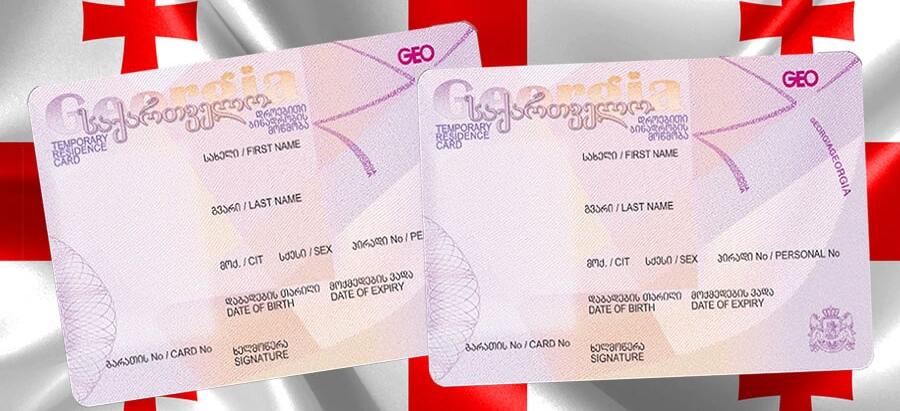
Access to schools and social services under residence permit
- Public schools and municipal kindergartens: children with residence permit and registration are accepted free of charge (Subject to availability; enrolment is on a set schedule). Details: MES.
- Medicine: universal health care programme prioritises citizens; expats tend to need a private insurance. Basic policies from ~$90/year per adult; extended packages ~$250-350/year and beyond.
Summary: "The residence permit makes it easier enrolment in state schools/kindergartens and makes everyday life predictable; for medicine, families should plan for the costs of private insurance."
Renewal of residence permit and pathway to permanent residence/citizenship
- Extension: file for 30-40 days before completion; keep the basis (work/business/real estate/family/study).
- COHABITATION: usually after several years continuous residence (in practice, often oriented at ~6 years; exceptions - investment categories). Proof of integration and income is required.
Warning: "Requirements, timelines and tariffs. may vary. Check the data on the websites before submitting FCO, Public Service Hall и Invest in Georgia.
Education and schools in Georgia for expat children

Public schools: free of charge, but in Georgian
- Eligibility for free tuition. Foreign children with legal residence status have the right to study in public schools free of charge (subject to availability of places).
- The language of instruction is Georgian. In most schools the main language is Georgian; in a number of schools there are . Russian sectors/classesThis makes it easier to adapt during the first years of the move.
- High demand and shortage of places. At popular schools, places are sold out on the day online enrolment starts; prepare your application pack in advance and monitor enrolment dates.
- Cost. Tuition in state schools for residents is free of charge; expenses - stationery, uniforms (if required), clubs and meals at will (reference point $10-40/month per child).
Important: "Public schools are freebut education is in Georgian; there are Russian classes not everywhere and places are limited. We recommend applying to more than one school in the area where you live."
Private and international schools: choice of language and quality
- Languages and programmes. English-speaking, Russian-speaking and bilingual programmes are available; British and American international schools are represented in Tbilisi, as well as schools with Finnish teaching methods.
- Advantages. Less bureaucracy on entry (usually testing + basic application package), more flexible programme, language support for expats, well-developed extracurricular activities.
Cost.
- Average segment of public schools: approx. $2 500/year for the baby.
- Top international schools: $5,000-20,000/year (including English and US programmes).
- Entrance fees and deposits (if provided by the school): $100-500.
Examples of destinations (for guidance, choose a particular school based on the results of the visit and testing): British, American and bilingual schools in Tbilisi;
Key: "Private and international schools in Georgia are. language selection (EN/RU)less bureaucracy at the start and a predictable curriculum. The price range is from $2 500 per year to an average of $20 000 in the top segment."
How to enrol a child in school in Georgia: documents and deadlines
- Public schools (by area of registration):
1) The passport of the child and parent/guardian.
2) Birth certificate (with apostille and translation into Georgian, if required).
3) Residence registration document/lease agreement.
4) Health card/vaccination (as required by the school).
5) Personal files/transcripts/certificates of previous studies (for transfers from other countries - notarised translation).
Registration usually takes place online on set dates; details can be found on municipal and school websites. - Private and international schools:
1) Passport of the child and parent.
2) Birth certificate + translation (if required).
3) Report cards/recommendations and/or entrance testing (Maths/English).
4) Payment of the registration fee (if applicable).
Procedures are flexible and take 1-3 weeks to complete.
Tip: "Get the translations and apostille ready. in advance; at the start of the year in Tbilisi, there are no vacancies substantially lessthan spring/summer."
Preschools and extracurricular activities
- Kindergartens. Municipal kindergartens are free for residents (queues in popular neighbourhoods). Private kindergartens are $150-300/monthIn larger cities there are fully Russian-speaking groups and bilingual programmes.
- Clubs and sections. Dance, drawing, football, martial arts, music schools; enrolment is usually direct, no enquiries. Typical budget: $20-60/month for a referral.
- Cities. In Tbilisi and Batumi the choice of sections is wider; in the regions there are basic options but fewer English-speaking clubs.
Important: "Private kindergarten in Tbilisi - from $150 per month, clubs from $20. Municipal gardens for residents are . free of chargebut it's best to sign up in advance."
Rates vary by city, district and residency status. Check school and municipality websites for current rates;
Medicine and health: how to treat a family in Georgia
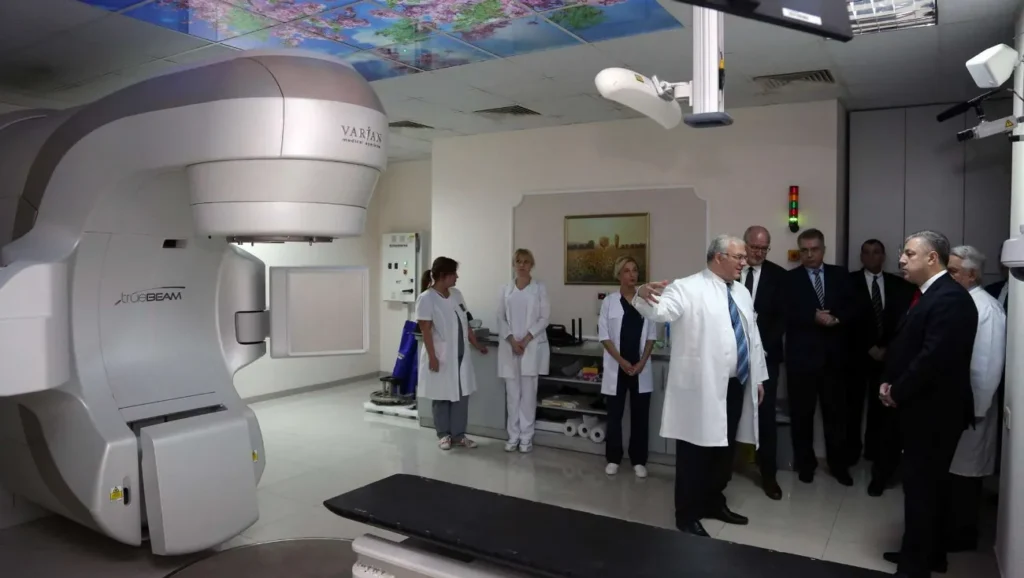
Health care system and health insurance
- Health care in Georgia is predominantly private. The government's "universal health care" programme is citizen-centred; foreigners and expats in most cases rely on private clinics and insurance policies.
- It's more expensive to get treatment without insurance and can get by on ~25% higher for foreigners; private clinics have a price list by patient category.
- Cost of insurance (benchmarks): basic policy from ~$90/year (≈250 GEL) per adult, extended programmes $300-350/year (≈850 GEL) with broader coverage and access to different clinic networks.
Important: "For a family with children. private health insurance is recommended - It reduces the costs of appointments, diagnostics and medicines and makes it easier to access the best clinics in Tbilisi and Batumi."
Types of policies and coverage: what to look out for
- Network restrictions. Basic policies cater to the specific clinic network; extended give more choice, sometimes any licensed establishments.
- Franchise and co-payment. Often provided for co-payments 10-30% for routine services; emergency care and hospitalisation may be covered at a higher rate.
- Exceptions. Pre-existing diseases, dentistryand elective surgeries and psychotherapy can be. partially or completely excluded from the base coat.
- Family and children's programmes. "Family" packages are usually more economical, and the insurance for children in Georgia often includes a paediatrician, scheduled vaccinations, a laboratory and an emergency room with a limit.
Key: "Choose a policy by clinic chains (availability close to home), to cover the children and conditions hospitalisations. Clarify deductible, limits and exclusions before paying."
Quality of health services and clinics
- Clinics in Tbilisi and Batumi are equipped with modern equipment and work according to international protocols; basic services are provided in the regions, while complex cases are referred to the capital.
- Language of communication. In many private clinics, doctors and receptionists speak Russian or English, which makes communication easier.
- Recording and reception. Appointments can be made by phone/online, often without a GP referral.
Conclusion: "In the major cities. the level of private medicine is highA selection of specialists (including subspecialists) is available, and the logistics are convenient for families with children."
Paediatricians in Georgia and children's health
- Paediatric services. Reception paediatrician usually stands $18-30 (≈50-80 GEL); general blood count - $10-12 (≈30 GEL).
- Vaccination. Vaccinations are available at public and private health centres; the schedule can be continued according to international standards.
- Free assistance to resident children. For children under 18 years of age with RESIDENCE PERMIT Basic medical care is provided, including emergency cases (please check the details and scope on site).
- Recommendation: formalise child insurance policy covering paediatrician, tests, neurologist/ENT and inpatient.
Important: "Even with the benefits to resident children. private insurance remains the optimal solution: faster appointment, predictable costs, wider choice of clinics."
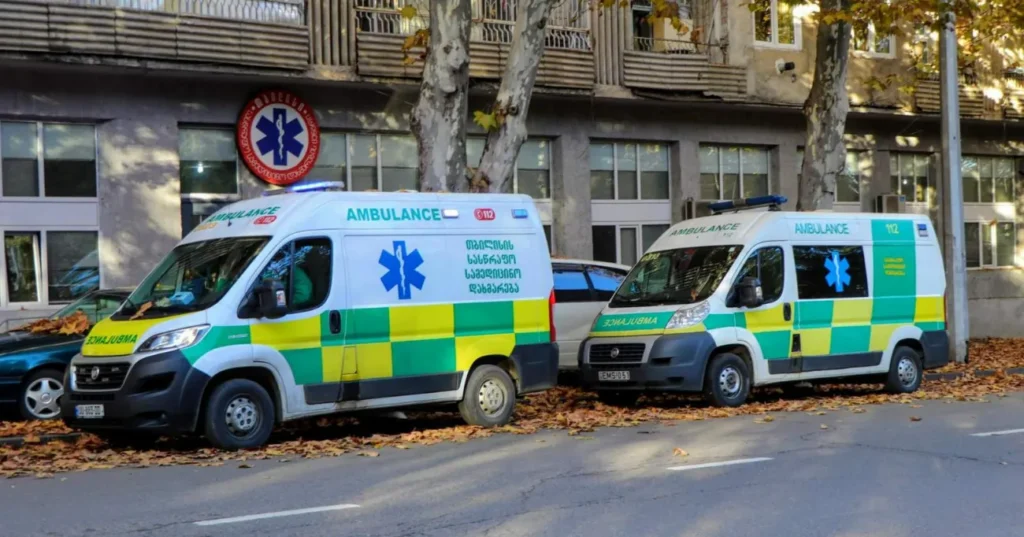
Emergency care and hospitalisation
- Service 112 - a single number for emergency calls (ambulance, police, fire brigade). In emergency cases, the call is free of charge; further services depend on status and insurance.
- Inpatient. Hospitalisation and one day's stay in hospital can cost from ~$370 and above (according to market data; tariffs vary).
- Emergency rooms. Many private clinics have 24/7 offices; without insurance, rates are higher, and some services are paid for in advance.
Note: "In an emergency, act through 112keep it with you. policy and passport/resident card; check with the insurance company about the algorithm of hospitalisation and the list of 'partner' clinics."
Pharmacies and medicines
- Accessibility. Pharmacies are common, basic medications are available; some medications are prescription.
- Cost. A course of modern antibiotics-- $20-30 depending on the brand; antiviral/GI/cardiology - on average lower than European prices, but higher than Russian prices.
- Tip: keep the packaging and the international names of the active substances; for chronic diseases, obtain the analogue in the local register from your doctor.
Infrastructure and living conditions
Housing, utilities and heating
- Rental market. In Georgia, most flats are rented furnished and with basic appliances - this makes it easier to start after moving in. In Tbilisi, renting a 1-room flat in dormitory neighbourhoods costs $500-700/month, 2-bedroom - $600-900/monthIn Kutaisi and Rustavi it is cheaper: $300-450/month.
- Deposit and contract. Owners usually ask deposit = 1 month's rent and an advance payment for the first month. In the contract, include address, terms, property list and cancellation terms.
- Utility payments. Electricity and water - metered; internet - flat rate. Typical monthly budget of a family: electricity $20-40water $10-20Internet $10-15.
- Heating. There is no central heating in Georgia: they use gas boilers and/or electric heaters. During the colder months, the gas/electricity bill can increase to $60-120 per month.
- Internet at home. Fibre optic internet is available in the cities 50-100 Mbps per $10-15300 Mbps for $15-25. In the old stock, check the availability of optics.
Important: "In lease agreements, fix in advance heating conditions and check the gas boiler is working. In older homes, ask for a utility bill from last winter."
Transport: urban transport, taxis, cars
- Public transport. Tbilisi has a metro and bus network; the cost of a journey is approx. $0,35 (1 GEL). A monthly bus pass costs approx. $13-15. During rush hours, it's possible high load.
- Taxi. Affordable and inexpensive: a typical city trip - $2-5. Popular apps are Bolt and Yandex Go. Many families use taxis instead of private cars. Reviews: Prian.ru.
- Road trips. Car hire - from $30-40/day depending on class and season; fuel - approx. $1.25-1.35/L. Roads of the main directions are in good condition, in mountainous regions - difficult sections in winter.
- Long-distance moves. There are trains and minibuses around the country; a Tbilisi-Batumi fast train ticket is approx. $10-20 (depending on class and season).
Tip: "For families with children, it's better to choose neighbourhoods with metro/mainline buses and a park within walking distance: it saves up to 20-30 minutes a day on logistics."
Communications and internet: mobile packages and coverage
- Mobile communication. The major operators offer packages of 15-25 GB per $6-8/month; coverage is stable in cities and resorts, with blind spots possible in the mountains.
- Home internet. There is fibre optic in new houses and central areas: 50-100 Mbps - . $10-15, 300 Mbps - $15-25. For remote work we recommend backup mobile modem.
- Quality. According to expat reviews, internet speed and stability in Tbilisi and Batumi are sufficient for calls and streaming; in the regions, check the specific address.
Key: "When choosing accommodation for remote work, check out optics on the address and mobile network signal strength in the flat - not only at the window, but also in the nursery/cabinet."

 Batumifrom 45.3m²
 Batumifrom 27.5m²
Neighbourhoods of Tbilisi for living with children: Guidelines for choice
- Saburtalo. Modern LCD, schools and sections, many children's playgrounds; 2-k flat - . $600-800.
- Wake. Closer to the centre and Wake Park, developed infrastructure, international schools; rent is higher: 2k - . $800-1 200.
- Didi Digomi. Family complexes, spacious yards, lower traffic; 2k - . $450-650.
- Mtatsminda/Old Town. Atmospheric and touristy, but less car parking and higher tourist traffic; prices vary by site.
Important: "Family Priorities - school nearby, fleet and transport. Reducing daily travelling is the most tangible "invisible" way to save time and money."
Shopping, food and leisure
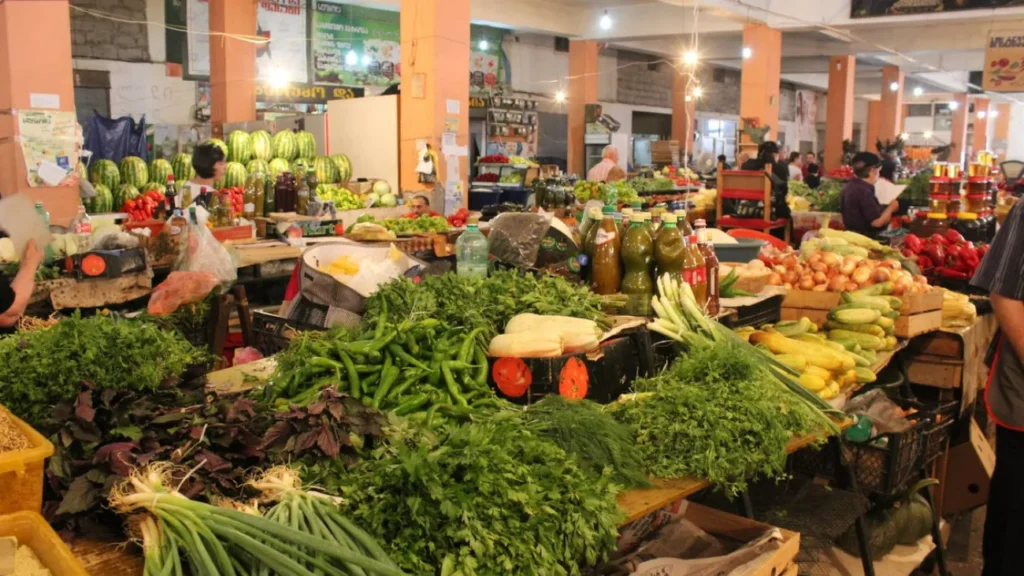
- Supermarkets and markets. There are large chains (Carrefour, Goodwill, Agrohub), small convenience stores and farmers markets in the cities. Seasonal vegetables/fruits are priced as follows $1-2/kgand the chicken-- $3,5-4/kg. Family food budget when cooking at home - . $500-600/month.
- Cafes and restaurants. Lunch at the family cafe - $6-10 per person; coffee and dessert - $3-5.
- Children's infrastructure. Playgrounds in residential complexes, parks (Vake, Lisi, Mtatsminda), in Batumi - the seafront and cycle paths. Clubs and sports - $20-60/month.
Tip: "It's more cost-effective to go to the farmers' markets; supermarkets are convenient for 'heavy' purchases and long-lasting goods."
Safety, ecology and everyday nuances
- Safety. Street crime rates are relatively low; in tourist areas, observe standard precautions.
- Traffic and car parks. Weekdays are possible plugs on the main thoroughfares of Tbilisi; when choosing housing, focus on proximity to the metro and exits from the neighbourhood.
- Ecology. In central locations, noise and pollution levels are higher; families often choose neighbourhoods near parks (Lisi, Vake) for walking and sports.
Georgia offers balanced infrastructure for families: affordable housing and transport, good internet coverage, parks and clubs. The main nuance is. lack of central heating and seasonal energy costs.
Cost of living in Georgia for a family
Examples of monthly budgets (estimated)
Scenario 1: Tbilisi, family 2+1 (child in a municipal kindergarten)
- Rent 2k: $700
- Utilities (average annual): $70
- Nutrition: $500
- Transport (2 adults): $50
- Communications/Internet: $25
- Kindergarten/circles: $40-80
- Medicine (average, no major events): $30-40
- Leisure/Other: $120
Bottom line: ~$1 535-1,585/month (no public school).
Scenario 2: Kutaisi, family 2+2 (older child - public school, younger child - private kindergarten)
- Rent 2k: $380
- Utilities (average annual): $60
- Nutrition: $600
- Transport: $60
- Communications/Internet: $25
- Public school (middle segment): $2 500/year ≈ $210/month
- Private kindergarten: $200/month
- Medical (insurances on average): $40-60/month equivalent
- Leisure/Other: $120
Bottom line: ~$1 695-1,715/month.
Conclusion: "Even with moderate food and transport prices. rent and education form the main range of family budgets in Georgia."
Practical advice for those moving with a family
1. Plan your budget and create a financial cushion
- Reserve 3-6 months for life - optimal insurance for the period of adaptation: rent, food, medicine, school/garden. For Tbilisi, focus on $1 500-2 200/month for a 2+1 family without public school.
- Start-up costs (estimated): rental deposit $600-900 (usually 1 month), temporary accommodation for 2-3 weeks $800-1 500, translations/apostille of documents $150-400registration of residence permit (family of 3-4 persons). $300-600 state fees + $40-80 resident cards.
- Educationpublic school - from $2 500/year (top - $5,000-20,000/year), private garden - $150-300/month.
Important: "Exactly. rent and education form the bulk of the family's expenses. The other items - food, transport, communication - are moderate."
2. Prepare documents: translations, apostille, deadlines
- Basic package for a family: passports of all members, birth certificates of children, marriage certificate, school report cards/personal records, vaccination cards.
- Apostille and translations: recommended on marriage/birth certificates and report cards - translation into Georgian with notarised certification. Cost: apostille $20-50/document (at the tariffs of the country of issue), translation $10-25/str. + notary $10-20.
- Validity Periods: criminal record certificates and medical certificates may have a limited period of time - check before applying for a residence permit.
Tip: "Gather all the documents before departure And check the apostille/translation requirements so you don't have to go back to bureaucracy after you move."
3. Organising housing: from bridging to long term tenancies
- Temporary accommodation for 2-4 weeks (Airbnb/hotel) gives you time to choose your neighbourhood and school: $35-70/night For 1-2 bedrooms (seasonally).
- Long-term lease: 2-bedroom in Tbilisi $600-900/monthin Kutaisi $300-450/month. Usually take a deposit = 1 month.
- Inspection checklist: heating (gas boiler/heaters), quality of windows and insulation, water pressure, noise at night, availability of fibre optics, parking/prams.
Key: "In Georgia. no central heating. Ask to see last winter's bills and check the boiler on inspection."
4. Schools and kindergartens: a time-bound action plan
- Public schoolsfree of charge for residents, language is Georgian; Russian classes are not available everywhere and places are scarce. Submission is often through online enrolment on specific dates.
- Private/international schools: testing + package of documents, less bureaucracy. Cost - on average $2 500/year, top - $5,000-20,000/yearadmission fees $100-500.
- KindergartensMunicipal free of charge for residents; private free of charge for residents. $150-300/month.
Important: "The start of the school year is the peak of demand. Book your place in advance Or set aside time to find an alternative (regional school/private)."
5. Health and insurance: set up "day one" access
- Insurance: family policy $300-700/year (basic/extended programmes). Basic - network of specific clinics; extended - broader coverage, partly dental/diagnostics.
- ClinicChoose a clinic near your home (Tbilisi/Batumi - a wide choice). Paediatrician's appointment $18-30, blood test. $10-12.
- Emergency: single number 112; keep the resident's policy/ID card with you.
Tip: "First, select. clinicthen get a policy that covers it. It saves you time and money when you go to the hospital.
6. Communications, internet and digital everyday services
- SIM card: starter pack $3-5a monthly package of 15 to 25 GB - $6-8.
- Home internet50-100 Mbps fibre optics - $10-15up to 300 Mbps - $15-25.
- Appendices: taxis (Bolt, Yandex Go), maps (Maps.me, Google Maps), delivery (Glovo, Wolt).
Key: "For remote work, check fibre optic at the address and do a speed test in several rooms."
7. Banks, accounts and payment habits
- Bank account: as a rule, a passport, Georgian phone number and residential address (rental agreement) will be required. Please check the list with your chosen bank.
- Payments: utilities and communications are convenient to pay via bank/provider apps; cash is still popular in markets/small shops.
- Reserve: keep a reserve of $ or € in a separate account/card in case of delays in cross-border transfers.
Important: "For long-term plans, formalise resident card - Without it, access to some banking and government services is restricted."
8. Moving logistics and luggage
- Airline baggage: compare rates with luggage - savings over separate delivery.
- International deliverydoor-to-door 50-100kg of personal belongings - reference point $8-12/kg (depends on the company/country of dispatch).
- Child car seats: when renting a car seat +$2-4/day. Car hire - $30-40/day.
Tip: "Don't take excess luggage: there is a developed market in Tbilisi and Batumi - appliances/furniture are easier to come by rent or buy on the spot than drive in."
9. Transport and daily mobility
- Public transport: 1 trip ~$0,35 (1 GEL), travel pass $13-15/month. During rush hour, there is high traffic.
- Taxi: short journeys $2-5 - convenient with kids and shopping.
- A neighbourhood to live in: save 20-30 minutes a day by choosing a home close to metro/mainline buses and schools.
10. Legal status and timelines: visa-free, residence permit, school enrolment
- Visa-free travel: doh. 365 days per entry for citizens of a number of countries, including the Russian Federation.
- RESIDENCE PERMIT: standard consideration ~30 days, accelerated - 10-20 days (increased duty). Duties: $70-150 for consideration, resident card $10-25.
- Schools: keep an eye on the dates online registrations to state schools (places are limited).
Reminder: "Plan your residence permit in advance: it makes it easier to enrol in state schools/gardens, banking and health insurance."
11. Cultural adaptation and security
- CommunicationRussian is spoken by the older generation, English by the young; learn basic phrases in Georgian - it is appreciated.
- Safety: street crime is low, but in tourist areas, use standard caution.
- Mode and rhythm: processes are underway measuredly; reserve time for appointments and services.
12. Relocation plan-schedule: a time benchmark
- 4-8 weeks before departure: collect documents and make apostille/translations ($150-400), monitor schools/gardens, book temporary accommodation ($800-1 500 2-3 weeks in advance).
- First week on the ground: SIM cards ($3-5), open a bank account (if you have an address), choose a clinic and take out insurance ($300-700/year per household).
- 1-4 weeks: sign the lease (deposit = 1 month), apply for residence permit, start the process of enrolling the child in school/kindergarten.
- 2-3 month.: check sections/circles ($20-60/month), set up everyday life and routes, and assess alternative neighbourhoods if necessary.
Bottom line: "A clear plan, financial cushion and prepared documents shorten the family's adaptation time in Georgia from months to a few weeks."
 +995 511 114 899
 hello@residence-estate.ge
 Georgia, Batumi, Sherif Khimshiashvili str. 1, office 1204


 Get catalogue of TOP-7 objects