
 +995 511 114 899



Current state of the housing market in Tbilisi
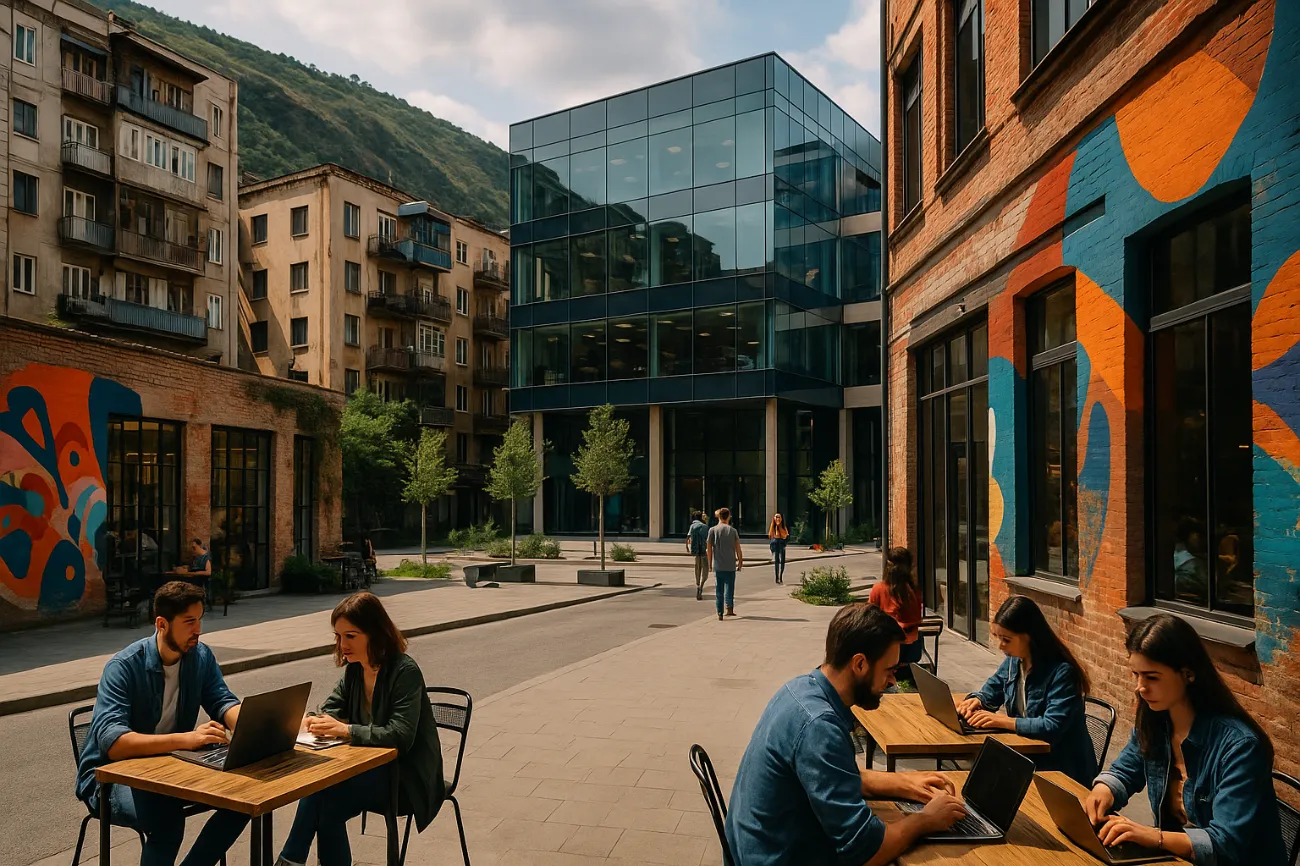
The housing market in Tbilisi remains highly active, shaped by the 2022 "demand shock" and supported by a steady inflow of residents, digital nomads and investors. Against the backdrop of limited supply in the central districts and gradual recovery of development activity in the dormitories, the city is showing moderate growth in sales prices and stabilisation of rental rates after peak values. Key indicators - rental rates, cost per square metre by district, transaction volume - confirm the structural shift in demand in favour of quality housing and central locations.
"The main outcome of the last three years: demand for housing in Tbilisi has become more solvent and sustainably urban - with a focus on areas with developed infrastructure, co-working spaces and access to the centre."
Key trends
- Demand: boosted by migration and influx of digital nomads; continued strong interest from foreign buyers.
- Suggestion: new buildings are being commissioned on a planned basis, but the deficit of quality lots in the centre remains.
- Prices: sales - moderate growth; rentals - stabilising after a surge in 2022.
- Structural shift: demand is concentrated in Vaka, Saburtalo, Chugureti and Old Centre.
"According to estimates by open sources and classifieds portals, average flat prices in Tbilisi remain above pre-pandemic levels by 25-40% depending on the neighbourhood."
Dynamics of selling prices (estimate based on public data and ad monitoring)
- Average price of 1 sq.m. in the city: benchmark $1 200-1,600/m²with growth in central locations.
- Wake: $1 800-2 500/m² for ready-made business class projects.
- Saburtalo: $1 400-1 900/m² (business/comfort new buildings).
- Chugureti/Old Town (renovation/lofts): $1 200-1,600/m²premium historic properties are higher.
- New arrays (Didi Digomi et al:) $900-1 200/m².
Dynamics of rental rates
The rental market experienced a peak in mid-2022 when rates increased by over 60% relative to 2021. There is now stabilisation at elevated levels with a continued shortage of quality stock in central areas.
Benchmarks for long term rentals of 1 bedroom flats (12+ months):
- Wake: $700-1 100/month.
- Saburtalo: $550-900/month.
- Chugureti/fashionable neighbourhoods by Fabrika: $600-900/month.
- Old Town (historic stock, renovation): $800-1 200/month.
- Out of centre/new arrays: $400-650/month.
"Even after the 2023 correction, rents in central Tbilisi remain above pre-crisis levels, reflecting the changed demand structure (remote working, co-working, international teams)."
Real estate in Georgia
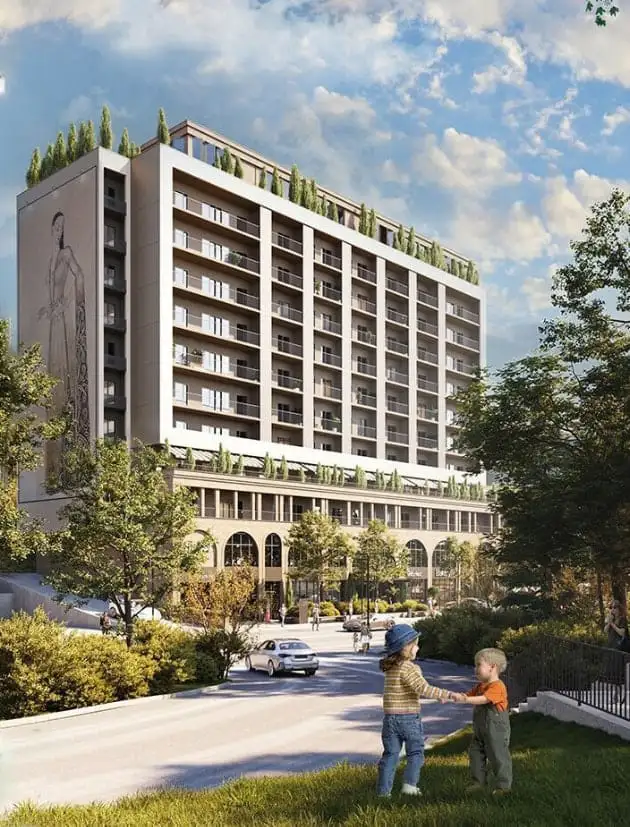

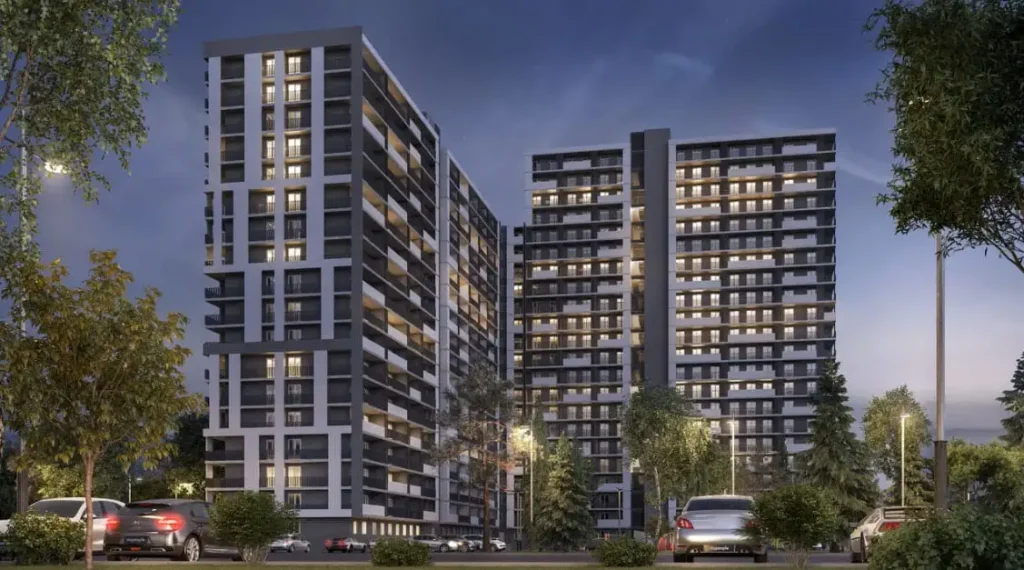

 Tbilisi
 from 59.7m²
 Batumifrom 31.8m²
 Tbilisifrom 30.55m²
Demand drivers and pricing factors
- The 2022-2023 migration waves and the influx of "digital nomads" (impact on rents and short-term liquidity).
- Growth of the IT sector and creative hubs (Fabrika, Tech Park, Impact Hub) - supporting the central locations premium.
- Relatively simple conditions for non-residents when buying and registering property (comparative advantage for "buying a flat in Tbilisi"): National Public Registry Agency.
- Infrastructure: schools, transport, parks, co-working spaces - direct impact on "price/m²" and rental rate.
- Limited historic stock and demand for housing "within walking distance" from the centre.
District differences: cost benchmarks
- Vake (prestige): sale $1 800-2 500/m², rent 1k $700-1 100.
- Saburtalo (universities/offices): for sale $1 400-1 900/m², rent 1k $550-900.
- Chugureti (creative clusters): for sale $1 200-1,600/m², rent 1k $600-900.
- Old Town/Sololaki (history/tourism): for sale $1 700-2 300/m², rent 1k $800-1 200.
- Didi Digomi/Gldani (mass construction): for sale $900-1 200/m², rent 1k $400-650.
Checking is recommended to evaluate current lots and bidding.
Supply and input of new buildings
- Commissioning of new space is gradually increasing, but the historical centre is still in deficit due to the limitations of the fund and redevelopment of point sites.
- Complex projects with infrastructure (kindergartens, car parks, courtyards) are being implemented in dormitory districts, which restrains price growth in this segment.
- There is a "quality gap" in the market: buyers are focused on energy efficiency, finishes and landscaping, and willingness to pay a premium for projects near parks and co-working spaces.
"The market remains a market of addressable choice: location and project quality determine up to 30-40% of the final premium to citywide average prices."
12-month forecast (cautious scenario)
- Sales: moderate growth 5-8% on the average cheque in the central areas, stability in the massifs.
- Rentals: sideways trend With seasonal spikes (autumn/spring) and a premium near hubs and universities.
- Liquidity: high in properties with ready infrastructure and transparent title.
Growth of tech startups and creative hubs in Tbilisi
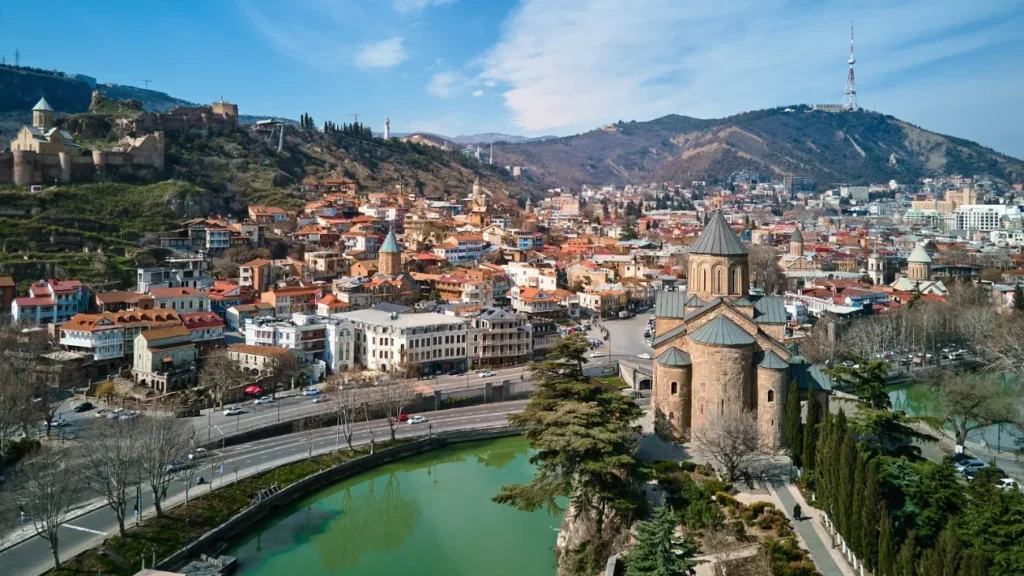
Over the past three years, Tbilisi has developed a sustainable ecosystem of the digital economy: government initiatives, private co-working spaces, university labs and an active community of entrepreneurs. This is reflected in the growing number of startup teams, regular industry events, and the expansion of flexible offices and creative spaces. This ecosystem has a noticeable impact on the business and residential property market - especially in areas with a high density of hubs and co-working spaces (Chugureti, Vake, Saburtalo).
"Tech startups and creative hubs are creating a steady demand for quality offices and rentals within walking distance of workspaces - this is no longer a short-term spike, but a new baseline level of activity," noted industry reviews and market analyses.
Institutional support and university ecosystems
- Government agencies and initiatives support innovative companies by developing infrastructure (including technology parks) and offering grant programmes. These include support for early-stage startups, accelerator programmes and educational tracks.
- Creative industries development programmes include consultancy, grants and international partnerships for designers, galleries and cultural projects. This increases demand for creative offices and coliving centres.
- Business and technology universities are actively developing incubators, networking environments and student startup clubs, which increases the density of human resources in the city.
"The nexus of government, private sector and universities forms a complete funnel: from idea and prototype to first sales and scaling."
Key creative hubs and co-working spaces: examples and cost benchmarks
Examples of popular locations for startups and creative teams. Costs are indicative and depend on the operator and tariffs:
- Multifunctional clusters with co-working, studios and art spaces. Hot space: ~$90-130; assigned - ~$140-200; office for 2-6 seats - ~$450-900 per month; hall rentals - from ~$200-600 per day.
- International hubs with educational programmes and networking. Co-working - from ~$100-180; event space rental - from ~$150/day.
- Technoparks and accelerators with infrastructure for prototyping and demo days. Offices and laboratories are available on individual terms.
- Network co-working spaces with offices, meeting rooms and flexible rates: workspace - ~$110-160; office - from ~$300-350 per seat; meeting rooms - ~$10-20/hour.
- International flexible office operators: co-working - ~$120-180; private offices - from ~$250-350/space on long leases.
Small local spaces, galleries and studios in the city centre and creative districts also operate. Short-term hire of a room or workshop starts from ~$100-150 per evening.
Office and event market: impact of demand from startups
- Office rent: Class B - ~$12-18/m²/month; Class A - ~$20-28/m²/month.
- Event spaces: small hall rentals in the centre from ~$200-400/day; conference rooms from ~$1,000 and up.
- Flexible formats: plug-and-play offices have become the standard for early-stage teams, lowering the entry threshold and making it easier to scale.
"Flexible offices aren't just important because of price - they give you a quick start and access to the community."
Startup community: events, acceleration, networking
- Regular meetings of funders, mitaps on products, fintech, data science, creative industries.
- Acceleration programmes from hubs and universities: intensives, grants, corporate partnerships.
- Support from banks, telecoms and investors: from small sponsorships to pilot projects.
Geography of clusters and relationship to the residential market
- Chugureti is a centre for creative venues, cafes and studios; easy walking distance.
- Vake - prestigious residential neighbourhoods and business clusters, developed infrastructure.
- Saburtalo - university environment, active IT sector and transport accessibility.
Demand for rental flats is growing near creative hubs. This stimulates price growth and revitalisation of the housing market within a 10-20 minute walking radius of key locations.
Why it's important for investors and tenants
- Demand is steady, with digital nomads, startups and freelancers providing year-round office and residential occupancy.
- Entry is flexible: starting a team is possible at minimal cost (from ~$100-500/month).
- Concentration in clusters accelerates the development of projects and strengthens the value of the location.
"Startups are moving economic activity to where there is infrastructure and community. This is reflected in both prices and demand density."
Note: The prices and parameters indicated may vary depending on the period, location, operator and lease terms. It is recommended to check the actual data directly with the site managers.
Impact of start-ups and hubs on housing demand and prices
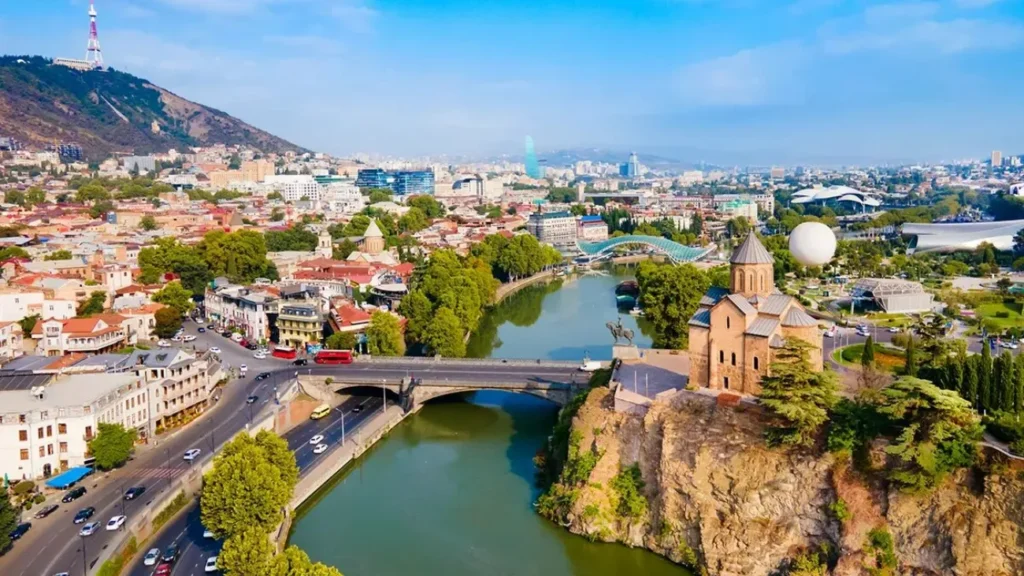
Since 2022, Tbilisi's startup and creative ecosystem has become an independent driver of the housing market. The concentration of IT teams, co-working and cultural spaces in the central districts (Chugureti, Vake, Saburtalo) has strengthened the effective demand for renting and buying housing within walking distance from workspaces. The effect has been confirmed by market metrics: after the "demand shock" of mid-2022, rental rates have consolidated at an elevated level, and supply prices in creative locations show a stable premium to the city average.
Key finding: Tbilisi's tech startups and creative hubs form a stable "pool" of tenants and buyers with average and above-average budgets, which supports prices within a 10-20 minute walking radius of the main clusters (Fabrika, Impact Hub, Tbilisi Tech Park, Terminal, etc.).
Channels of influence on the housing market
- Localisation of employment: hubs concentrate workplaces and events (mitaps, accelerators), creating demand for housing "near the office".
- Digital Nomads and Relocants: the flow of professionals with remote income sets the top rental benchmarks for 1-2-room flats.
- Flexible offices: the coworking/plug-and-play model accelerates the entry of new teams into the market and maintains constant tenant turnover.
- The image of creative neighbourhoodsCafés, galleries, urban spaces add value to the location and are reflected in the price per square metre.
Empirical indicators
- Rentals: growth peaks in mid-2022 (>60% yoy), followed by stabilisation on an increased base. Long-term rental benchmarks for 1-bedroom flats in 2025: Chugureti (at Fabrika) - $600-900/month, Vake - $700-1,100/month, Saburtalo - $550-900/month.
- For Sale: The premium of creative clusters to the city average in 2024-2025 is tentatively +10-20% for a comparable product class. Ranges: Vake - $1 800-2,500/m²; Saburtalo - $1 400-1,900/m²; Chugureti/locations near hubs - $1 200-1,600/m².
"Within walking distance of the hubs, rental rates for comparable flats can be 8-15% higher and liquidity can be appreciably higher than the market average" - comparison of public listings and broker reviews.
Location premiums around key hubs
- Fabrika Tbilisi (Chugureti): co-working and cultural cluster increased demand for compact 1-2 bedroom lots.
- Rent 1k: $600-900/month; 2k: $900-1,300/month.
- For Sale: $1 200-1,600/m² (lofts/renovations - above). - Impact Hub Tbilisi (Vake): prestige, parks, schools and proximity to offices - steady demand among mid-level professionals.
- Rent 1k: $700-1,100/month; 2k: $1,000-1,600/month.
- For sale: $1 800-2,500/m². - Terminal, Regus/Spaces (Saburtalo Centre): the combination of universities and offices generates massive paying demand.
- Rent 1k: $550-900/month; 2k: $850-1,300/month.
- For sale: $1 400-1,900/m².
Portrait of a new tenant/buyer
- Digital nomads: 1k rental budget - $600-800, prioritise fast internet, furnished, cafe/coveting within 5-10 minutes. Context: BTU AI - https://btuai.ge/
- Startup teams: 2-3 people choose 2k flats $900-1,300 near hubs, rotation is every 6-12 months.
- Foreign investors: interest in liquid locations with high rental utilisation and predictable yields (see Galt & Taggart; Colliers).
Yield and investment benchmarks
- Long Term Lease: Gross yields in creative clusters are typically estimated to be in the range of ~6-8% p.a. for a purchase of $1,400-2,000/m² and a lease of $700-1,200/month.
- Medium-term lease (3-6 months): +10-20% rate premium due to flexibility and furnishings; gross yields can reach ~8-10% at high occupancy.
- Capital Reassessment: demand for "right" locations with hubs and parks supports the exit price, especially for compact lots.
"The combination of flexible offices and strong urban infrastructure generates predictable rental demand, making creative districts the beneficiaries of buy-to-let investment strategies."
Balancing supply and demand
- The offer at the centre is limited historical buildings and point development activity, so every new quality building is quickly absorbed by the market.
- Peripheral arrays (Didi Digomi et al.) offer an alternative on price, but the "premium to hubs" remains the factor that sets the upper bound on centre rates.
- Seasonality: demand spikes coincide with the waves of relocations and the start of academic semesters (autumn/spring), when co-working spaces and hubs increase business activity.
Key creative neighbourhoods in Tbilisi
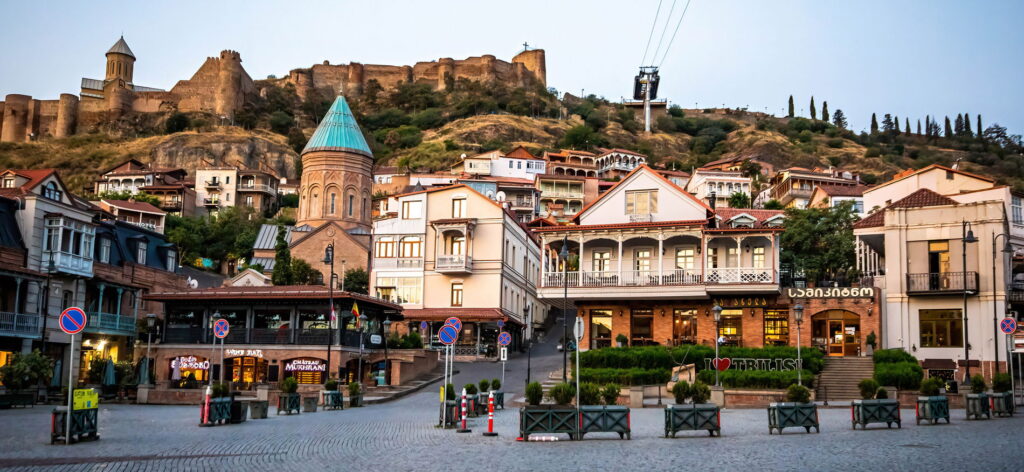
Creative clusters и technology hubs A significant redistribution of the demand for housing in the capital: tenants and buyers prioritise locations with co-working spaces, cultural venues и developed urban environment. This is first and foremost Chugureti, Wake, Saburtalo и Vera - neighbourhoods that set the tone for 'creative' enquiries and form a premium to average city prices.
"Creative neighbourhoods of Tbilisi - it's not just about lifestyle, but also about liquidity: proximity to hubs increases rental utilisation and exit costs for the investor."
Important: price points are given for 2025 on the market of public announcements and broker reviews; the real value depends on the of the house, condition, floor, view and distance from key points of attraction.
Chugureti: industrial past - creative present
Profile: historic buildings, former industrial zones and lofts, active urban life. The cluster is located here Fabrika Tbilisias well as galleries and small studios. Good transport accessibility (metro station "Marjanishvili", close to the centre).
- Creative Infrastructure: Fabrika, workshops, showrooms, third wave cafes.
- Housing stock: from pre-revolutionary houses and "Tbilisi courtyards" to modern housing estates and lofts after redevelopment.
- Demand: housing in this neighbourhood is being actively chosen digital nomads и start-up teams.
Cost Benchmarks:
- For Sale: $1 200-1,600 per m²; lofts and renovated flats are more expensive.
- Rent 1-bedroom: $600-900/month.
- Rent 2-bedroom: $900-1 300/month.
"Rental accommodation in Chugureti is consistently above average due to the density of creative spaces and the influx of remote professionals."
Vake: prestige, parks and office clusters
Profile: one of the most prestigious districts of the city. Nearby - parks, strong schools, restaurant clusters, co-working spaces и international offices.
- Creative and business ecosystem: cafes, galleries, Impact Hub, flexible offices.
- Housing stock: business and comfort class, club houses, quality new buildings.
- Demand: affluent professionals, families, investors for long-term leases.
Cost benchmarks (property in Waka):
- For Sale: $1 800-2,500 per m².
- Rent 1-bedroom: $700-1 100/month.
- Rent 2-bedroom: $1 100-1,600/month.
"Wake provides a rare combination status and functionality: parks, schools, offices - all within walking distance."
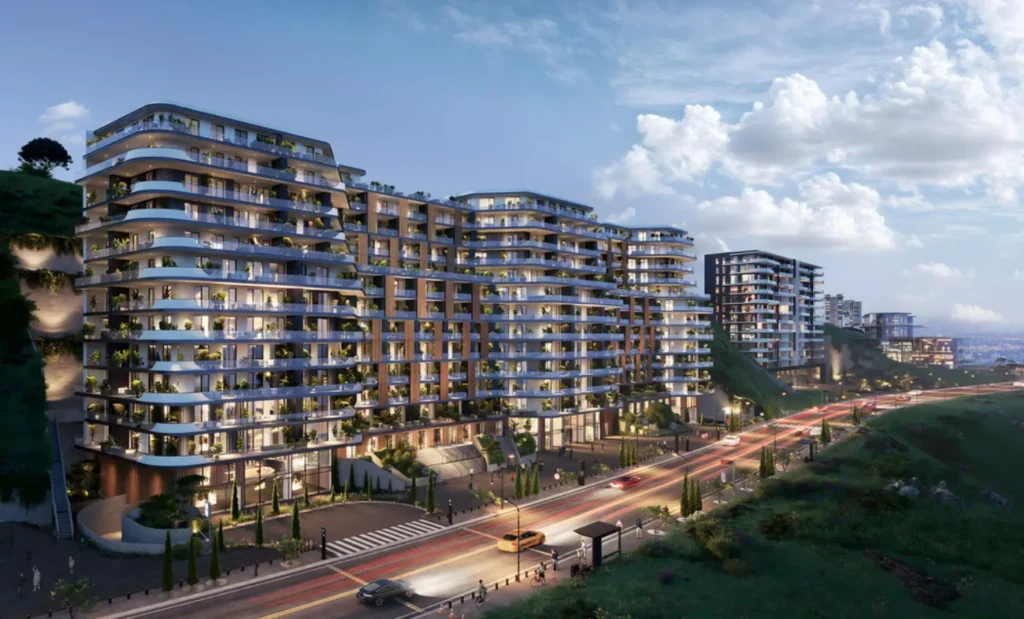
Saburtalo: universities, tech community and convenient connectivity
Profile: large housing estate with transport infrastructure, universities и business activity. There's a lot co-working spaces, IT offices, student and family tenants.
- Creative Infrastructure: flexible offices, studios, mitap spaces.
- Housing stock: from old houses to new housing estates with courtyards and car parks.
- Demand: students, young professionals, start-ups, families.
Cost benchmarks (Saburtalo Real Estate):
- For Sale: $1 400-1,900 per m².
- Rent 1-bedroom: $550-900/month.
- Rent 2-bedroom: $850-1 300/month.
"Saburtalo maximises functionality and transport connectivity at a democratic price."
Faith: historical charm and creative agenda
Profile: a chamber neighbourhood near Mtatsminda with historic architecture, galleries, art cafe и boutique projects.
- Creative Infrastructure: local galleries, gastro-spaces, coffee shops.
- Housing stock: historic buildings, reconstructed flats, clubhouses.
Cost Benchmarks:
- For Sale: $1 600-2,200 per m².
- Rent 1-bedroom: $650-1,000/month.
- Rent 2-bedroom: $1,000-1,500/month.
"Vera - a choice for those who appreciate creative lifestyle in the atmosphere of old Tbilisi."
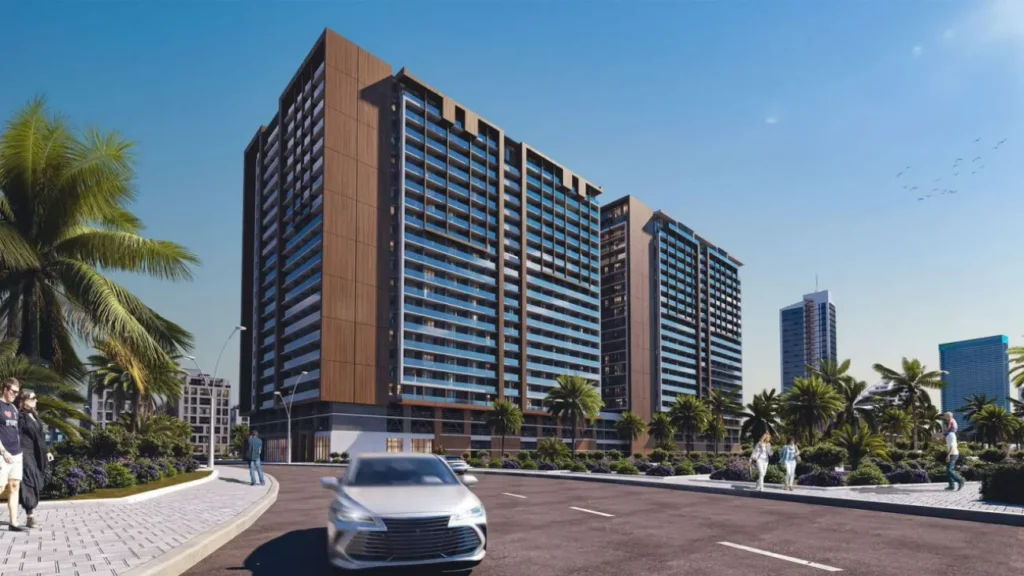
Old Town (Sololaki, Abanotubani): optional
Profile: tourist core with reconstructed architecture, high pedestrian activity и boutique accommodation. Less connected to the techno community, but highly regarded in terms of the short-term rental.
Cost Benchmarks:
- For Sale: $1 700-2,300 per m².
- Rent 1-bedroom: $800-1 200/month.
- Rent 2-bedroom: $1 200-1,700/month.
Positive impact: infrastructure and economic growth

Development of technology startups and creative hubs in Tbilisi forms a sustainable multiplier effect: urban infrastructure is improving, business activity is growing SMEs, employment increases, а property market gets predictable demand и better liquidity in creative neighbourhoods - Chugureti, Vake, Saburtalo, Vera.
"Technoclusters and creative hubs not only increase the intellectual 'density' of a city, but also systemically fuel the local economy - from coffee shops and gyms to neighbourhood redevelopment and tax revenues."
Key finding: The presence of hubs increases consumer traffic and pay-as-you-go demand within walking distance, supporting local business revenues and creating a premium on residential and commercial property values.
Commercial infrastructure and services
- Co-working centres, flexible offices, event venues:
- hot seat - $100-160/month.
- fixed - $140-200/month.
- office for 2 to 4 seats - $300-700/month.
- event hall - $200-600/day - Cafes and gastroformats:
- average cheque $7-12
- business lunch - $8-15 - Fitness and wellbeing:
- club membership - $30-60/month.
- yoga class - $8-15
"Digital nomads have filled cafes and gyms with revenue and SMEs with steady off-season demand."
Urban environment and transport
- Infrastructure improvements: lighting, cycle parking, pedestrian areas.
- Transport accessibility: 10-25 minutes to the centre from Vake and Saburtalo.
- Digital environment:
- home internet - $12-20/month.
- co-working space - Wi-Fi included
Conclusion: integration of transport and the internet makes neighbourhoods convenient for living and working.
Employment, small business and taxes
- New jobs: administrators, managers, baristas, IT specialists.
- Increase in self-employment: design, marketing, production.
- Tax base growth: more turnover, more city budget.
"Clusters speed the path from idea to business, increasing the economic vitality of neighbourhoods."
Construction and redevelopment
- New LCD standards: co-working spaces, coliving spaces, terraces.
- Rethinking spaceLofts on the site of warehouses and industrial zones.
- Rental rates:
- B-class office - $12-18/m²/month.
- A-class office - $20-28/m²/month.
- street retail - $25-45/m²/month.
Effect: projects with a public function sell better and are less likely to be idle.
Real estate: liquidity and profitability
- Rentals near the hubs:
- 1-bedroom - $600-1 100/month.
- A 2-bedroom - $900-1 600/month. - Payback:
- long-term - 6-8% p.a.
- medium-term - 8-10% p.a. - Operating costs:
- property management - 8-12%
- turnkey furnishing - $3 000-6 000
"Hubs create stable demand, and therefore a steady income for investors."
Event economics and international relations
- Events: mitaps, hackathons, festivals.
- hall hire - $200-1,000/day - Partnerships: universities, businesses, corporations - form sustainable human resources and project potential.
Result: strengthening business tourism and increasing the city's recognisability.
Who benefits
- Residents: amenities, jobs, services nearby.
- Landlords: predictable demand, rate premium.
- Small business: a steady stream of clients.
- Developers: quick sale, sought-after projects.
- To the City: taxes, tourism, revitalisation of bedroom communities.
"Where hubs are popping up, life is returning. This is no longer a trend, but an urban reality."
Important: all prices are indicative and depend on season, object and conditions. Before investing - check documents, analyse competition and clarify market rates.
Risks and challenges: gentrification and decreasing housing affordability
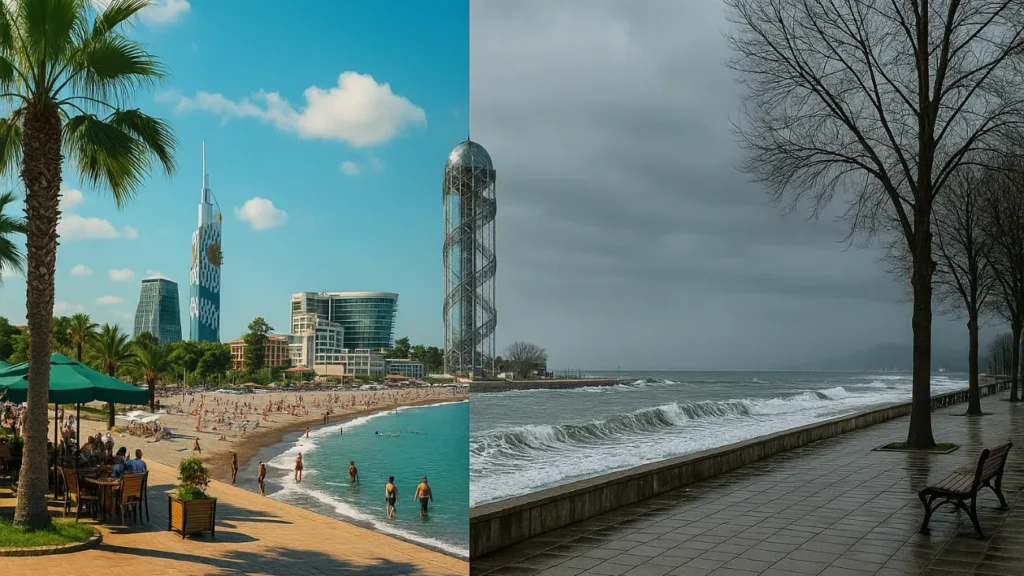
The development of technology startups and the growing number of creative hubs in the central districts of Tbilisi have had a significant impact on the property market. The activation of the business and cultural environment has led to a steady inflow of new residents: from freelancers to small IT teams, which has intensified competition for housing - primarily in the districts of Chugureti, Vake, Saburtalo and Vera.
While rent for a one-bedroom flat in Chugureti averaged $350-450 at the beginning of the decade, it rose to $600-900 per month by 2025. In Waka, the price range rose from $500-700 to $700-1,100. Similar dynamics are seen in Vera and Saburtalo. Property sales have also accelerated, with the price per square metre in Vaka rising from $1,300-1,800 to $1,800-2,500 over the same period.
This phenomenon is called gentrification - when old urban neighbourhoods become centres of attraction for new, wealthier residents, and with them come expensive cafes, designer studios and boutiques. On the surface, this looks like a renewal of the urban fabric, but there is another side to it: the displacement of indigenous people, rising rents, and the disappearance of affordable housing formats.
Who suffers the most
Long-term tenants with low incomes are the first to feel the pressure. People who have lived in these neighbourhoods for years are faced with the choice of either moving or accepting new conditions with higher rent, two months' deposit, agent's commission and related costs. Rent alone for a one-bedroom flat costs between 40 and 60% of the monthly budget for a family with an income of $700-1,000, not including utilities, internet and transport.
Especially vulnerable are students and young professionals who compete for the same flats with digital nomads who are willing to pay higher prices. Small local businesses also suffer: in popular areas, rents for street retail premises can reach $25-45 per square metre, forcing out small workshops, shops, canteens and other "low-margin" services.
Older homeowners in older housing stock face rising maintenance costs, the need for renovations and a general commercial transformation of the environment - when the neighbourhood is no longer a bakery and pharmacy, but a cocktail bar and showroom.
Changing formats: short-term rentals instead of stable rentals
One of the reasons for the shortage of long-term accommodation is the growth of short- and medium-term rentals. Small flats in popular clusters with a rate of $40-80 per day and high occupancy turn out to be much more profitable for the owner than long-term rentals. As a result, more and more flats are leaving the classic market, creating an additional shortage and instability of rates.
Contractual risks and uncertainties
The majority of lease agreements in Tbilisi are still executed verbally or under simplified forms, without registration. This reduces the protection of tenants. In addition, many contracts are concluded in dollars, which means that any currency jump increases the financial burden. Contracts often contain clauses on indexation of rent by 5-10% per year, without clear limits.
Deposits of two months' rent - for example, $1,800 on a $900 lease - represent a significant amount of money that tenants effectively "freeze" with no guarantee of repayment unless the agreement is registered and notarised.
Investors aren't immune either
Although it seems that demand for housing is growing, investors also have risks. Overpaying for "trendy" neighbourhoods near hubs may result in a drop in profitability, especially if rental rules change or demand redistributes to other locations. Investments in the historical fund require capital expenditures - up to $200-400 per square metre - for noise insulation, replacement of communications, finishing and facades. Management companies charge 8-12% of rent for maintenance, which further reduces net profit.
There are also regulatory threats: restrictions on short-term rentals in congested neighbourhoods are being discussed - following the example of other European capitals.
Geography of vulnerability
The highest affordability risks are in areas with a combination of housing, hubs and tourist attraction. In Chugureti the rent for a one-room apartment is $600-900, in Vaka - $700-1,100, in Vera - $650-1,000, in Saburtalo it is slightly lower, but the pressure is stable. In these places, rented accommodation for a single person or a couple is increasingly becoming financially prohibitive without additional income.
What you can do: ideas and recommendations
At the city level, it is important to develop long-term rental policies: encourage registration of contracts, create tax incentives for owners, support coliving and co-operative housing formats. The city can also invest in developing transport accessibility of new neighbourhoods to reduce pressure on overheated clusters.
It is reasonable for tenants to fix rents for 12-24 months, check indexation clauses carefully, and consider areas outside the centre - where the rent is $400-650 and it takes 15-25 minutes to get to the centre. An alternative is shared accommodation - flat-sharing or coliving - with costs per person in the range of $300-500 per month.
Investors should stress-test their calculations: what happens if the rent drops by 10-15% and the flat is idle for a couple of months? It is also important to build up and renovation costs - a minimum of $100-200 per m², even in new buildings.
Conclusion
The development of technology startups and creative hubs has become a powerful driver of the transformation of Tbilisi's urban environment. In recent years, the capital of Georgia has turned into a centre of attraction for digital nomads, entrepreneurs и investorswhich, in turn, has had a significant impact on the housing marketFrom the growth of rental rates to the intensification of demand for buying property in creative and central districts.
On the one hand, it created new growth points - from Chugureti to Saburtalo, revitalised the infrastructure and gave impetus to the emergence of new residential formats. On the other hand, it exacerbated the issues housing affordabilityIn addition, it is important for tenants and investors alike to be aware of the stability of contracts and the need for informed planning.
If you're considering buying property in Tbilisi or another city in Georgiaespecially in areas with high growth potential (near hubs, universities, cultural centres) - it is important to consider not only today's prices but also Demand dynamics, infrastructure and the legal integrity of the facility.
Leave a request and we will find you the right apartment complexes in Georgia, taking into account your goals (investment, relocation, rental), budget and neighbourhood preferences. We will help with analysis, due diligence, and if necessary, we will support you from selection to completion.
Don't miss out on the opportunities in the Georgia market today. Start with a knowledgeable selection - and take a confident step towards your property.
 +995 511 114 899
 hello@residence-estate.ge
 Georgia, Batumi, Sherif Khimshiashvili str. 1, office 1204


 Get catalogue of TOP-7 objects