
 +995 599 050 123



Property rental market in Georgia
When it comes to rental property income in Georgia, it's important to realise that this market is booming. Let's understand why this is the case and what factors play a key role.
Income growth and interest in Georgia
In 2023, the total income from rental housing in Georgia reached 460 million GEL (approximately $172.6 million), an increase of 30% over the previous year. This growth is due to several factors:
- Tourism: In 2024, tourism revenues exceeded a record $4.4 billion. 5.8 million people visited Georgia, 4.1% more than a year earlier. This not only increases the demand for short-term rentals, but also contributes to rising home prices.
- Migration: In 2022, more than a third of those who came to Georgia were Russians, many of whom were looking for accommodation for rent. This created additional demand in the market.
Why Georgia?
Georgia attracts investors due to its stable economy и convenient location. In addition, the country offers relatively low rental taxes - only 5% of annual income. This makes property investment here particularly attractive.

Case in point
Take for example Anna, who decided to invest in property in Tbilisi. She bought a flat for $100,000 and rents it out for $760 per month. This brings her about 8-10% annual income. For Anna, it has become a great way to diversify her investments and earn a steady income.
Investor interest
Given all these factors, the rental market in Georgia continues to attract the attention of investors. Growing demand and an increasing number of landlords are creating a favourable environment for property investment. If you are thinking about investing in Georgia, now is the time to consider the opportunity.
For more information on income and property investment in Georgia, you can visit official website of the Ministry of Finance of Georgia and read the latest reports and analyses.
Average rental yield by city (Tbilisi, Batumi, other regions)
When it comes to of rental yields from rental property in GeorgiaIt is important to take into account regional differences. Each city offers its own unique opportunities for investors. Let's take a closer look.
Tbilisi: The heart of Georgian real estate
Tbilisi, the capital of Georgia, is not only the cultural and economic centre of the country, but also one of the most attractive cities for property investment. Let us understand why.
High demand and profitability
Tbilisi attracts many tenants due to its diversity and dynamism. Yields here can reach up to 12-13% p.a.making it one of the most lucrative markets in the country.
Example: In Isani and Didi Digomi districts, yields can be as follows 12,48%. This is due to the high demand for housing and stable rental rates.
Average rental rate
A one-room flat in the centre of Tbilisi can cost approx. $760 per month. This is due to its convenient location and developed infrastructure.
Housing costs: Price per m² in the centre can reach up to $1029. Thus, the investment in $100,000 may bring $8-10 thousand per year.
Infrastructure and amenities
Tbilisi offers excellent infrastructure, including transport hubs, shopping centres and educational institutions. This makes the city attractive not only for tenants, but also for investors.
Modern LCDs: New buildings with swimming pools, fitness rooms and security add value and attractiveness to the properties.
Case in point
Maria, an investor from Europe, bought a flat in the neighbourhood of Saburtalo for a $90,000. She's renting it out for $750 per monthwhich brings her a stable income. Thanks to its convenient location and modern renovation, her flat is always in demand.
Prospects for growth
Tbilisi continues to develop and the demand for rent here remains high. Experts predict that rental rates will continue to grow, maintaining a high level of profitability.
Residential property in Tbilisi


 Tbilisi
 from 30.55m²
 Tbilisifrom 98.1m²
Batumi: Tourist Pearl
Batumi, located on the Black Sea coast, is not only a popular resort, but also a promising place for property investment. Let's take a look at why this city attracts the attention of investors.
High profitability
Batumi offers one of the highest yields in Georgia, reaching 10% p.a.. This is due to the constant flow of tourists and the attractiveness of the city as a resort centre.
Example: The average yield in Batumi is approx. 10%and in some areas may be as high as 10,8% according to research by Galt & Taggart.
Average rental rate
A one-bedroom flat in the centre of Batumi can cost approx. $530 per month. This makes the city attractive to tenants and profitable for property owners.
Housing costs: The price per m² in Batumi is lower than in Tbilisi, which allows investors to enter the market with lower costs. Investments in $60-80 thousand can bring $5-6 thousand per year.
Tourist attraction
Batumi is famous for its beaches, entertainment venues and cultural events. This creates a constant demand for short-term rentals, especially during the summer season.
Seasonal rental: Daily rentals in the summer can generate significant income, with prices up to $30 per day.
Case in point
Alexei, an entrepreneur from Russia, invested $70,000 to a flat by the sea. In the summer he rents it out for rent, earning up to $900 per monthand, in winter, on a long-term basis for $450. This allows him to earn a steady income all year round.
Development prospects
Batumi continues to develop as a tourist centre, and experts predict an increase in property prices. This creates favourable conditions for long-term investments.
Batumi residential property
 Batumifrom 32.8m²
 Batumifrom 35.8m²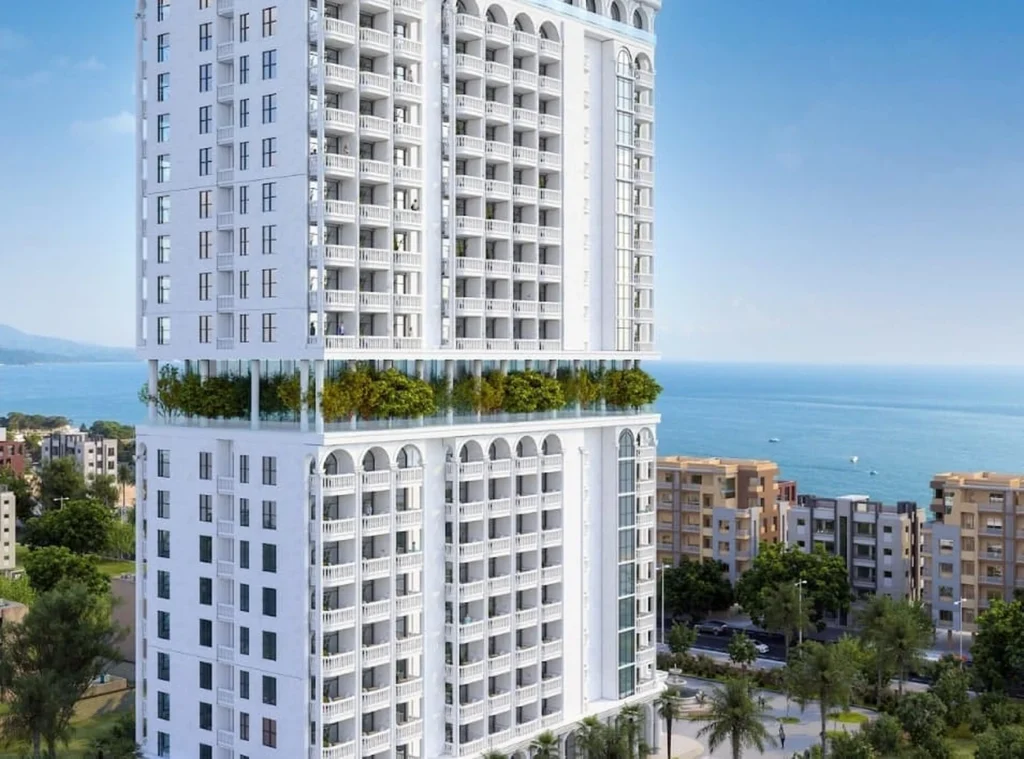
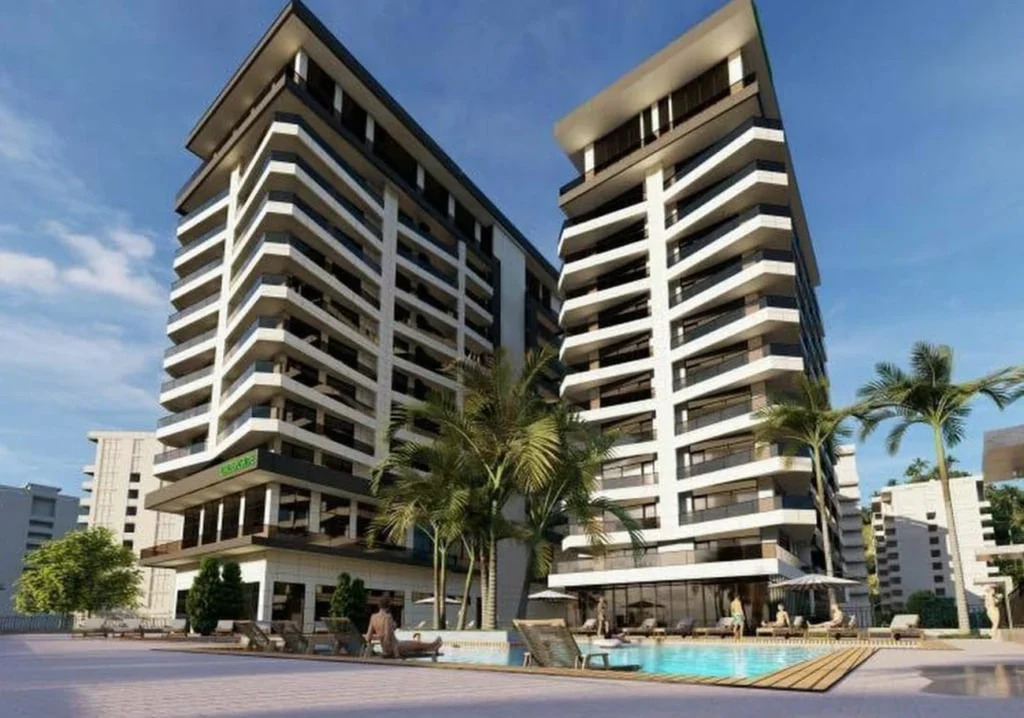 Batumifrom 25.1m²
Other regions: Kutaisi, Gudauri and Kakheti
Apart from Tbilisi and Batumi, other regions of Georgia also offer interesting property investment opportunities. Let's take a look at what they have to offer.
Kutaisi: Centre of Western Georgia
Kutaisi, the third largest city in Georgia, is known for its history and culture. Here, rental yields are around 9-10% p.a..
Housing costs: The price per m² in Kutaisi is significantly lower than in Tbilisi and Batumi, making it affordable for investors. For example, a flat can cost approx. $30,000–$50,000.
Rental rate: The average rent for a one-bedroom flat is as follows $200-$300 per month.
Gudauri: Ski resort
Gudauri is a popular winter holiday destination, which creates a high demand for short-term rentals in season.
Yield: During the peak winter months, yields can be as high as 12-15% by the daily rent.
Housing costs: Investments in apartments can amount to $50,000–$80,000with a rent of about $100 per day in season.
Kakheti: Wine Region
Kakheti is known for its wineries and cultural attractions. This makes the region attractive for tourists and investors.
Yield: The yield can be 8-10%especially during wine tour season.
Housing costs: Property investments start from $20,000This makes Kakheti an affordable option for investors.
Case in point
Irina, an investor from Ukraine, bought a house in Kakheti for $40,000. She rents it out to tourists who come to wine festivals for $150 per day. This allows her to earn a stable income during the season.
Investing in different regions of Georgia can be a lucrative decision. Tbilisi Offers high income due to stable demand, Batumi attracts tourists, and other regions offer affordable prices and good returns. Each city has its own characteristics and the choice depends on your preferences and goals.
For more detailed information on yields in specific regions, visit Global Property Guide for analysis and statistics.
New buildings vs secondary housing: comparison of rental yields
When it comes to of rental yields from rental property in GeorgiaThe choice between new-build and second homes plays a key role. Each option has its pros and cons, which can have a significant impact on your investment.
New buildings: Modernity and convenience
New buildings in Georgia often require a larger investment, but they attract tenants with modern layouts and infrastructure.
- Advantages: Modern renovations, amenities such as swimming pools, fitness rooms and security make new buildings more attractive. Luxury complexes can yield a return of 2 to 3 times the average on the market.
- Disadvantages: Higher purchase price and possible delivery delays. For example, the price per sqm in new housing estates can be as high as $1500which requires significant investment.
Secondary housing: Affordability and flexibility
Secondary housing is usually less expensive and can be rented out immediately, but may require renovation.
- Advantages: Low entry cost and the ability to rent out the flat immediately. Often yields are slightly higher as entry costs are lower.
- Disadvantages: Furniture may need to be repaired or refurbished. The deterioration of the building may also be a risk factor.
Comparison table
| Parameter | New buildings | Secondary housing |
|---|---|---|
| Purchase price | High | Low |
| Amenities | Modern, value-added services | Depends on the condition |
| Yield | Could be well above average | Often a little higher at the expense of a low price |
| Risks | Possible delays, high competition | Need for repairs, deterioration of the building |
The decision between new-build and second homes depends on your goals and possibilities. New buildings are suitable for those who are ready to invest for the long term and want to attract tenants with modern facilities. Secondary housing can be a great choice for those looking for more affordable options with immediate returns.
Factors affecting rental income
When you decide to invest in property in Georgia, it is important to consider many factors that can affect your rental income. Let's break down the main ones.
Location
Location is one of the most important factors in determining the rental income from rental property in Georgia. Choosing the right neighbourhood can significantly increase your profits and attract more tenants. In Tbilisi, for example, the Vake and Saburtalo districts are famous for their high demand due to their developed infrastructure and proximity to business centres. Here, a one-room flat can cost around $800 per monthThis makes these areas particularly attractive to investors.
In Batumi, on the other hand, flats overlooking the sea or near the beach are always in demand among tourists. This allows property owners to earn higher returns through short-term rentals during the season. In addition, in resort areas such as Gudauri, a location near ski slopes can significantly increase rental rates during the winter months. Investors who choose such strategically important locations can expect a stable and high income.
Condition and repairs
The condition of your property and the quality of your renovations play a key role in attracting tenants and increasing your income. Freshly renovated and modern furnishings can significantly increase the appeal of your flat, allowing you to set a higher rent. For example, an interior renovation of approx. $5,000 could increase the rental rate by 10-15%. This is especially true in competitive neighbourhoods such as Vake in Tbilisi or the main streets of Batumi, where tenants are willing to pay more for comfort and style.
In addition, regularly updating and maintaining your flat prevents the need for major renovations in the future and keeps your property looking attractive. Installing modern appliances such as an air conditioner or dishwasher can add extra value. These improvements not only increase your bottom line, but also reduce downtime between tenants. Maintaining a high level of property condition makes your property more competitive in the market.
Additional services and facilities
Providing additional services and amenities can significantly increase your rental yield. Air conditioning, high speed internet and car parking make your property more attractive to tenants, especially in larger cities such as Tbilisi and Batumi. For example, installing air conditioning and providing internet can increase the rental rate by $50-$100 per month. This is especially important in resort areas where comfort and amenities play a key role in tenant selection.

Additionally, providing services such as housekeeping, shuttle service, or even access to a fitness room can be a deciding factor for tenants choosing between multiple options. These perks not only increase your bottom line, but also help minimise downtime between tenants. In the highly competitive Georgia property market, amenities like these can be your competitive advantage.
Seasonality and type of lease
Seasonality plays a significant role in the profitability of rental property in Georgia, especially in resort areas. In cities such as Batumi and Gudauri, rental demand increases sharply during the summer and winter months respectively. Short-term leases in this period can bring much more income. For example, daily rent in Batumi in summer can reach up to $30-$50 per daywhich at full utilisation during the season can give a yield of up to 12-15% per annum. In Gudauri, popular with skiers, the winter months are the peak season when tenants are willing to pay premium prices for proximity to the slopes.
Your choice of rental type also affects your income strategy. Long-term lease provides a stable and predictable income, which may be preferable for those who want to minimise risk and management effort. However, short-term rentals through platforms such as Airbnb can significantly increase returns through higher rates during peak seasons. This approach requires more management, but can be very profitable. It is recommended to consult professional agencies to choose the best rental strategy depending on the season and region.
Floor and view
The storey and the view from the window play an important role in determining the rental rate of your property. Flats on high floors with panoramic views, whether of the mountains or the sea, are always in high demand. In cities such as Batumi, a view of the Black Sea can increase the rental price by 10-20%. This is because renters, especially tourists, are willing to pay more for unique views and a sense of spaciousness.
In addition, high floors are usually associated with less noise and better lighting, which also increases their attractiveness. In Tbilisi, for example, flats on upper floors with views of the city or the Kura River are often more expensive. It is important to consider the presence of a lift and the condition of the entrances, as this can have a significant impact on the comfort of living. Investors who choose properties with good views can expect a higher income.
Taxes and additional expenses of the landlord
Investing in property in Georgia can be profitable, but it is important to consider all the costs involved, including taxes and additional costs. Let's look at what you should pay attention to.
Taxes on rent
In Georgia, the tax system for landlords is quite loyal. Individuals only pay 5% of annual income from officially declared rental payments. This is one of the lowest tax burdens in the region, which makes investments attractive.
Example: If your annual rental income is $6,000there'll be a tax $300.
Agency fees
If you decide to use an agency to manage your rental, keep in mind that they usually take a commission. This can be 10-15% from the lease payment.
Example: At the time of the lease $500 per month agency fee will be $50-$75.
Utility payments
Utility costs can vary depending on the size of the flat and the energy efficiency of the building. Typically these are:
Electricity, water, gas: from $20 to $50 per month for a studio flat.
These costs are often borne by the landlord if they are not included in the tenant's payment.
Other expenses
Home insurance: It is recommended that the property be insured. The cost may be $100-$200 per year.
Minor repairs: Between tenants, there may be costs for repairs, replacement of appliances or furniture.
In order to correctly estimate the net rental income, it is important to take into account all of the above costs. This will help you avoid unpleasant surprises and calculate accurately rental income from rental property in Georgia.
For more information on taxes and costs associated with rental property in Georgia, visit official website of the Tax Service of Georgia.
How to calculate profitability and return on investment
When you decide to invest in property in Georgia, understanding how to calculate returns and payback becomes key. Let's break down how to do it right.
Formula for calculating return on investment (ROI)
Return on Investment, or ROI (Return on Investment), shows how effectively your money is working for you. The formula is simple:
Return on Investment (ROI) = Annual rental amount / Price of the property × 100%
Example: If you're renting a flat for $500 per month (which amounts to $6,000 per year) and bought it for $100,000your yield will be:
$6,000 / $100,000 × 100% = 6%
Long-term vs daily rentals
Different rental strategies can result in different returns. Long-term rentals tend to be more stable, while daily rentals can be more profitable in season.
Long-term lease: The rates are usually 7-9% per annum. This is an approach for those looking for a stable income without frequent tenant changes.
Daily rental: May yield 10-15% due to high load during the season. For example, if you rent a flat for rent in Batumi in summer for $30 per dayand it's busy 200 days a year, it'll bring in $6,000. Remember that it is worth considering downtime when renting out a flat on a daily basis.

Return on investment
Payback shows how long it will take for your investment to start generating a net profit. It depends on profitability and additional costs.
Calculation example: If your flat is bringing $6,000 per yearand you invested $80,000your payback will be approximately 13 years:
$80,000 / $6,000 = 13.3 years
Accounting for incremental costs
Don't forget to consider taxes, utilities and possible repair costs. For example, the rental tax in Georgia is 5% of annual income, which could reduce net income.
Tips for increasing profitability
- Optimise costs: Find ways to reduce your utility and repair costs.
- Improve conditions: Interior and technology upgrades can increase rents.
- Analyse the market: Watch for changes in demand and adjust prices.
For more accurate calculation and analysis, use ROI property calculator to estimate the return on your investment.
Practical tips for owners to increase income
Increasing your rental property income in Georgia requires a strategic approach. Here are some practical tips to help you maximise your profits.
Formalisation and defence
- Enter into a formal rental agreementThis protects your rights and simplifies tax accounting. Formalisation reduces the risks of conflicts with tenants.
- Home insurance: It is recommended that you take out force majeure insurance. The cost of the insurance may be $100-$200 per yearbut it will give you peace of mind.
Renovation and furnishing
- Maintaining excellent condition: Fresh renovations and modern furnishings increase rents. For example, investing in a bathroom or kitchen renovation can be fully justified by increasing the rental value.
- Investments in technology: Installing new appliances such as an air conditioner or dishwasher can increase the appeal of your flat.
Location and choice of neighbourhood
- Rent in areas of high demand: The city centre, new residential complexes and tourist areas are always a priority. For example, flats in the centre of Tbilisi and Batumi can bring on 10-20% more income.
- Market Analysis: Regularly monitor changes in prices and demand. This will help you stay competitive.

Additional services
- Turnkey services: Offer tenants additional services such as cleaning, shuttle service, paid internet or parking. These bonuses allow you to charge higher fees.
- Flexible pricing: Change the rate depending on the season and demand. For example, daily rentals in Batumi in summer can bring much more.
Lease management
- Professional agencies: Use agencies or online rental platforms. They will help you estimate the price and ensure occupancy.
- Online platforms: Consider surrendering through Airbnb or similar services to increase profitability.
These steps will help you increase your rental income and make your property more attractive to tenants. Analyse the market regularly and adapt your strategy to stay ahead of the competition.
Rental market forecast and price dynamics
The rental property market in Georgia is showing steady growth, and understanding future trends can help investors make informed decisions. Let's take a look at what the market has in store for the coming years.
Yield dynamics
As of the first quarter of 2024, the average gross yield in Georgia was approx. 7,85%which is lower than 9,01% in the fourth quarter of 2023. This decrease reflects the stabilisation of property prices after a rapid growth.
Causes of decline: Slow growth in house prices and an increase in the number of offers on the market. This may mean that the market is becoming more mature and less overheated.
Tourism prospects
Tourism continues to recover strongly from the pandemic. In 2024, the flow of tourists has renewed records, which supports strong rental demand.
Statistics: The increase in visitors in the first 9 months of 2024 was +4,1% compared to 2023, while revenues reached $3.5bn. This means a high demand for short-term rentals in resort regions such as Batumi and Gudauri.

Economic background
International forecasts estimate Georgia's economic growth at the level of 5-6% in 2024-2025. This creates favourable conditions for investment in real estate.
Influencing factors: Strengthening tourist flow and relatively low housing prices compared to European cities. However, it is worth considering risks such as fluctuations in the lari exchange rate and changes in legislation.
Analysts' forecasts
Most experts expect the market to continue to grow, but at a more moderate pace. Rental rates are likely to grow, but not so rapidly, and average yields will remain at the level of 8-10%.
Long-term trends: Interest in Georgian property investment will continue to grow, especially in light of the recovery of the tourism sector and landlord protection policies.
The property rental market in Georgia offers many opportunities for investors. Steady economic and tourism growth create favourable conditions for investment. However, it is important to stay abreast of changes and adapt your strategies.
🔗 Useful links
- Ministry of Finance of Georgia
You can find up-to-date information on the state budget, tax policy, and the country's economic indicators, as well as access to public registers, reports, and legislation in the field of finance. - Analysis and statistics of profitability
You can find detailed analysis and statistics on residential property yields around the world - from rental rates to tax burden and market trends. - ROI property calculator
Convenient ROI calculator - tools for calculating the profitability of real estate in Georgia. With its help you can quickly assess the payback of the object, take into account the costs and predict the profit. - Official website of the Tax Service of Georgia
Here you can file declarations, check your TIN, calculate taxes and access electronic services.
Conclusion
Investing in property in Georgia can be a lucrative decision due to steady market growth and attractive conditions for landlords. Given the variety of factors affecting rental income, it is important to choose your property and management strategy carefully. Whether you choose new-build or secondary housing, keep an eye on price dynamics and adapt your approaches to remain competitive.
 +995 599 050 123
 hello@residence-estate.ge
 Georgia, Batumi, Sherif Khimshiashvili str. 1, office 1204


 Get catalogue of TOP-7 objects