
 +995 551 50 18 84


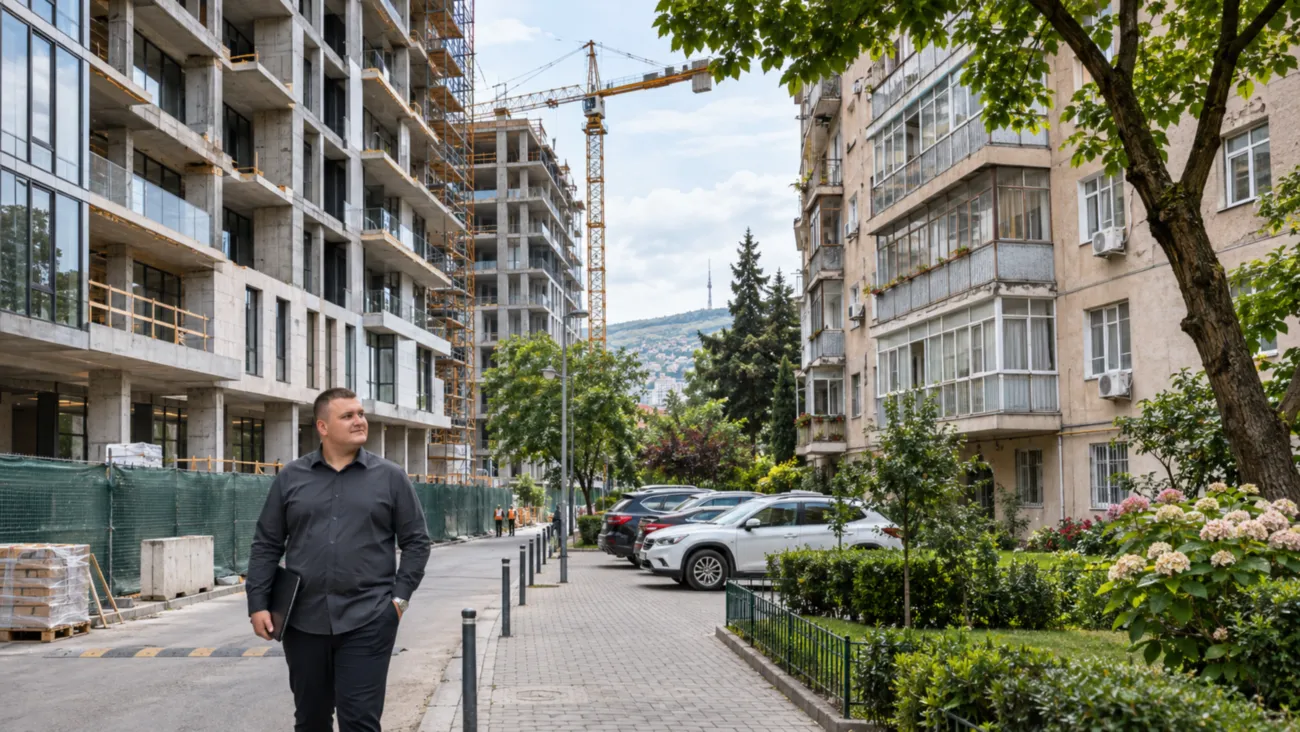

Two flats in Batumi with a similar price per square metre may turn out to be completely different in terms of the actual cost: one may require months of waiting and a complete refurbishment, whilst the other may be ready to move into or let within a few weeks. The difference in the advertised price is often offset by the cost of finishing works, furniture, service charges or hidden defects.
The direct answer to the question ‘what to choose’ depends on the purpose of the purchase. A new-build property currently under construction Suitable for buyers who are prepared to wait, monitor the progress of the build and take charge of the refurbishment and fitting-out themselves. Secondary It’s more convenient when speed of access is important and you can properly assess the condition of the property before buying. A ready-to-move-in flat in a modern building It often combines the advantages of both options — and deserves separate consideration in both cities.
New-build or second-hand: a quick guide
| Your situation | What to consider first |
|---|---|
| I need to move house soon | A refurbished second-hand property or a new-build property ready to move into |
| Would you like to pay in instalments? | A new-build property under construction, payable in instalments |
| I need a flat to rent as soon as possible | A completed property with proven demand |
| Would you like a modern home without having to wait for it to be built? | A ready-to-move-in flat from a developer or a second-hand flat in a new building |
| We’re prepared to wait and carry out the repairs ourselves | A new-build property currently under construction |
| Would you like to live in the historic centre? | A second-hand property or a turnkey property in your chosen area |
| The most important thing is the predictability of expenditure | The completed project, following legal and technical checks |
There is no one-size-fits-all solution. Compare flats based on your total budget, intended period of use, legal status, the condition of the building and the availability of local amenities.
For Batumi and Tbilisi, the choice is particularly complex: apartment complexes under construction sit side by side with newly completed properties from developers and second-hand flats in buildings that are three to ten years old. All of these fall within the primary or secondary market, but with very different conditions and risks.
Next is a table comparing types of property, a calculation of the total purchase cost based on a hypothetical budget of $100,000, regional differences between Batumi and Tbilisi, a checklist for verifying documents and a practical guide to choosing a property.
How much will new-build and second-hand properties cost in Georgia in 2026?
According to Galt & Taggart, prices in the primary and secondary markets in Tbilisi and Batumi differ. It is important to bear in mind the condition of the flat: in Tbilisi, new-build prices are tracked for flats with a bare shell, whilst in Batumi they are tracked for flats from developers that are fully finished.
| City | Primary market, $/m² | Secondary market, $/m² | Period |
|---|---|---|---|
| Tbilisi | $1 434 | $1 387 | September 2026 |
| Batumi | $1 960 | $1 497 | June 2026 |
For Tbilisi, the secondary market index relates to flats in relatively new buildings with planning permission granted from 2013 onwards. For Batumi, the primary indicator refers to flats with a finished interior. These are average market figures for different segments, not the prices of two identical flats.
In Tbilisi, the difference between the average figures is around 3.4% compared with the secondary market. In Batumi, it is around 30.9%, but a direct comparison that does not take the standard of finish into account may be misleading.
What can you buy in Georgia on your budget?
The average price per m² does not reflect all available properties. Compare new-build and second-hand flats in Batumi and Tbilisi by budget, size and completion date.
Find a flat
New-build and second-hand properties: the main differences
In everyday parlance, a ‘primary market’ property is a flat purchased directly from a developer, whilst a ‘secondary market’ property is one purchased from an individual or a company that has already registered ownership. In practice, the Georgian market is more complex, and it is important to distinguish between four different scenarios.
A flat under construction, sold directly by the developer — The buyer enters into a contract before the property is completed. The transfer of title to a specific property requires state registration. Until construction is completed, the scope and method of registering the buyer’s rights depend on the identification of the property, the terms of the contract and the registration documents: not every registered obligation can be regarded as already registered property.
A ready-to-move-in flat from the developer — a property for which commissioning has been officially documented, where required by law, and where the utility connections and handover conditions allow the flat to be occupied. Formally, this is the primary market, but in practice, the property can be viewed and occupancy can be arranged much more quickly.
A second-hand flat in a relatively new block of flats — The property was built 3–10 years ago, and the title is registered in the seller’s name. Technically, this is the secondary market, but the property may be in good condition with modern utilities.
A second-hand flat in an older housing stock — a Soviet-era or pre-Soviet building, often with ageing building services, but frequently in a good location.
A newly built house does not automatically mean it is on the ‘primary market’. And a second-hand flat is not always in an old building.
What do people buy more often in Tbilisi: new-build properties or second-hand flats?
According to data from Galt & Taggart, based on NAPR records, 42,388 flat sales were registered in Tbilisi in 2025.
Primary market : 20,961 — 49.51 TP415T registered transactions
Secondary market : 21,427 — 50.51 TP415T registered transactions
Both segments account for a significant share of the market. However, the registration of initial transactions may be delayed relative to the signing of contracts with developers; therefore, these figures cannot be used as an accurate measure of current demand.
New-build and second-hand properties — a comparison based on key criteria
| Criterion | A new-build property currently under construction | A newly built property | Secondary |
|---|---|---|---|
| Readiness | It depends on the stage of construction and the contractual handover date | Immediately or relatively quickly | Immediately after the transaction has been registered and the property has been transferred |
| Opportunity to view | The viewing is limited to the current stage of construction; design documentation, show flats and an agreed site visit may be available | A thorough examination | A thorough examination |
| Repair | Most often required (frame) | It depends on the developer | It is often ready to move into |
| Payment | Instalment plan from the developer | Lump sum or instalments | A lump sum or a mortgage |
| Check-in times | Following the handover of the property and the completion of the refurbishment | Relatively quickly | Promptly, in accordance with the terms of the contract |
| Key risks | Delays, changes to the project, failure to meet expectations | Hidden defects in new-build properties | Legal encumbrances, depreciation |
| Infrastructure | It depends on the area; some infrastructure projects may be planned | The existing infrastructure can be inspected on site | It depends on the area and the actual availability of services |
| Rentals | Not before completion | Possible once fitted | Possible following inspection and preparation |
| Additional costs | These depend on the standard of finish, the building services, the fittings and the conditions of maintenance | These depend on the standard of finish, the building services, the fittings and the conditions of maintenance | These depend on the standard of finish, the building services, the fittings and the conditions of maintenance |
| Liquidity | It depends on the location and stage | It depends on the price, location, condition and demand | It depends on the condition and the area |
The table shows categories, not specific properties. The decision is based on the actual flat, the specific developer and the terms of the contract — not merely on whether it belongs to the market.
The pros and cons of the two options
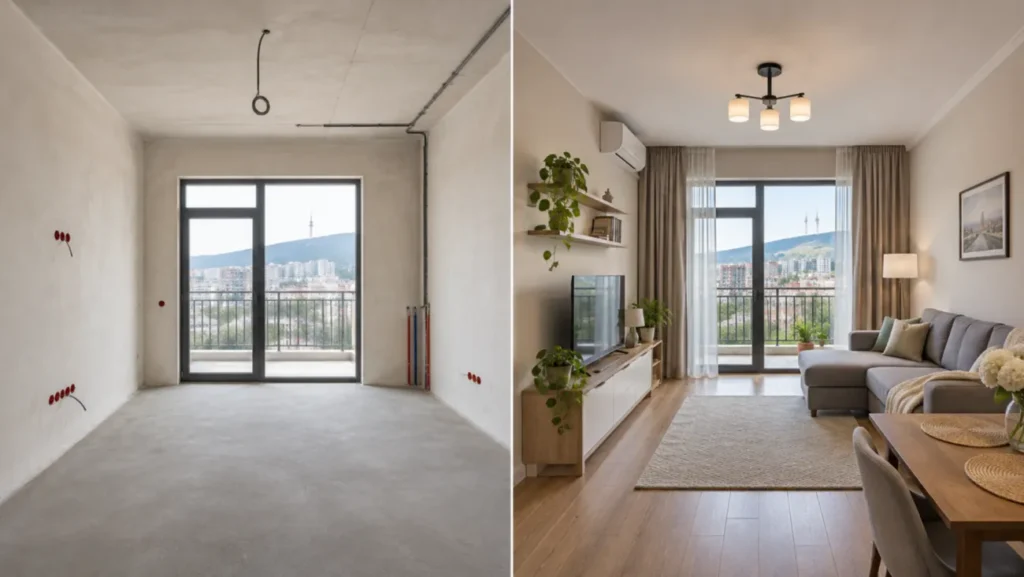
The advantages and disadvantages of a new-build property
The main reason people buy flats off-plan is — the potential of modern projects. New buildings may offer modern engineering solutions, spacious layouts, separate areas and state-of-the-art lifts. However, ventilation, soundproofing and the quality of the construction work must be checked against the project documentation and the results of an inspection — these characteristics depend on the specific developer and project, and are not automatically determined by the building’s age. Large-scale developments usually include car parks, lobbies and, in some cases, a swimming pool or fitness centre.
The second argument is — instalment plan from the developer. Paying in instalments means the buyer does not need to have the full amount available at the time of the transaction. This is a genuine financial advantage, but it is important to carefully review the terms and conditions: the initial deposit, the payment schedule and structure, the total contract price when paying in instalments, and the consequences of late payment are all determined by the contract for the specific project.
The third — the option to choose the floor, view and layout in the early stages of the sales process, when there are more good options available.
Among the significant shortcomings are — uncertainty regarding the construction timetable. The construction timeline may change, so the buyer should check the developer’s contractual obligations and the consequences of any delay in handing over the property. Once the building has been completed, neighbours will carry out renovation work, which will cause noise and disruption for some time to come. Project specifications – such as ceiling heights, floor plans and the layout of rooms – may change during construction. Finally, it is easy to underestimate the budget for finishing works and fittings.
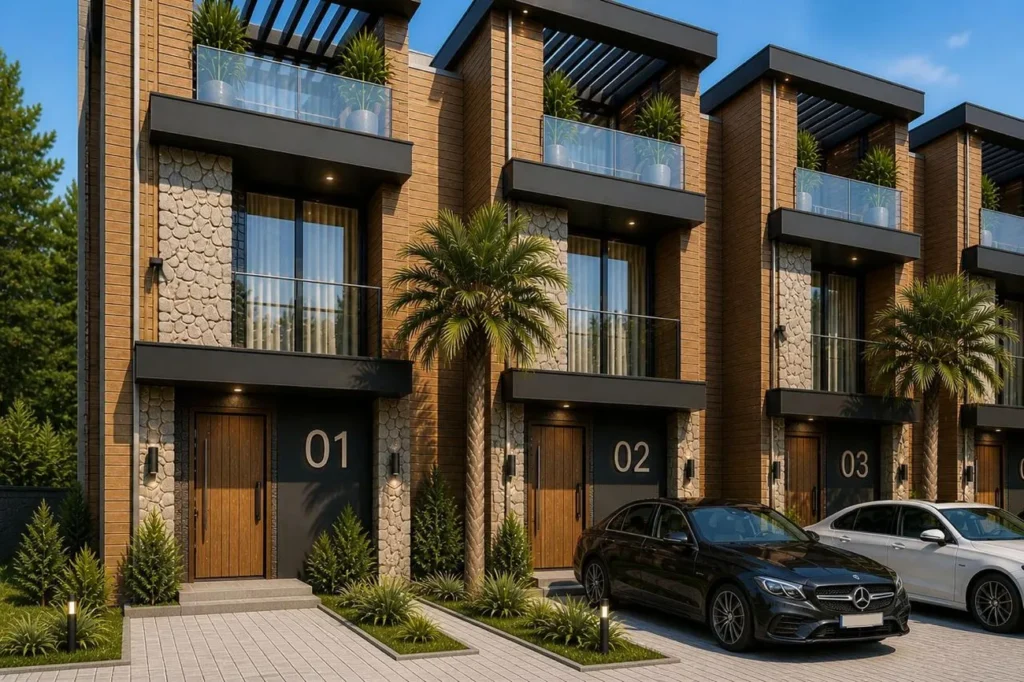
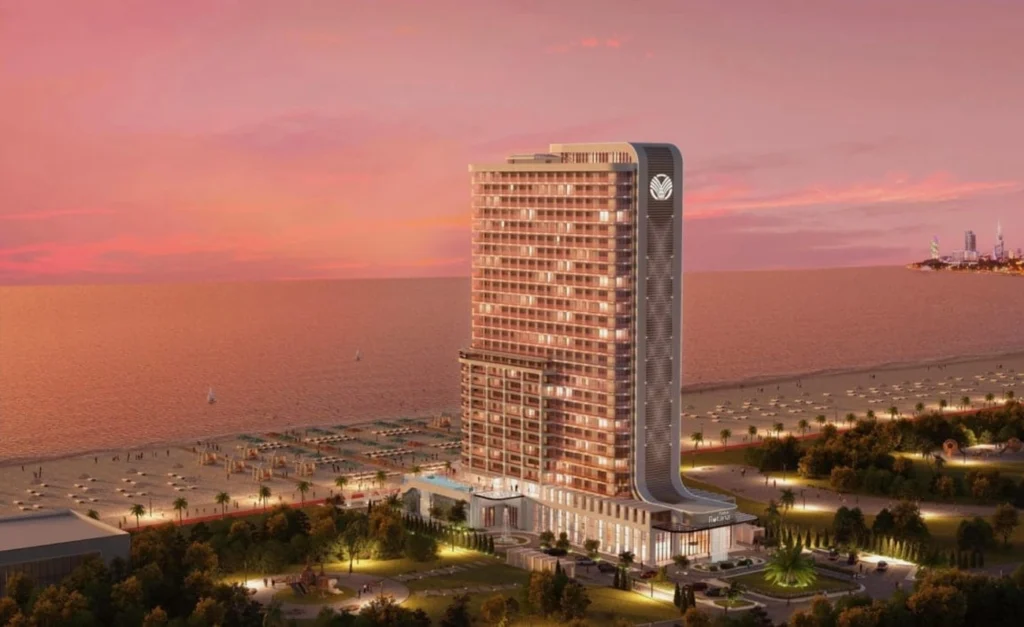
New-build properties in Georgia with the option of payment by instalments
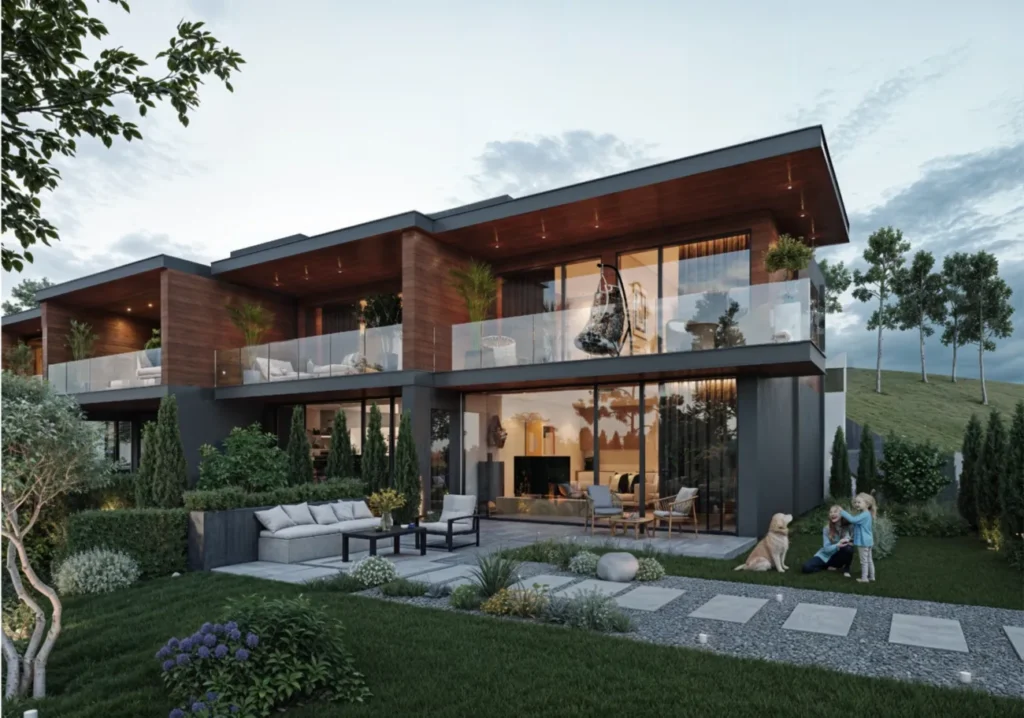

 Batumi, Gonio
 from 110 m²

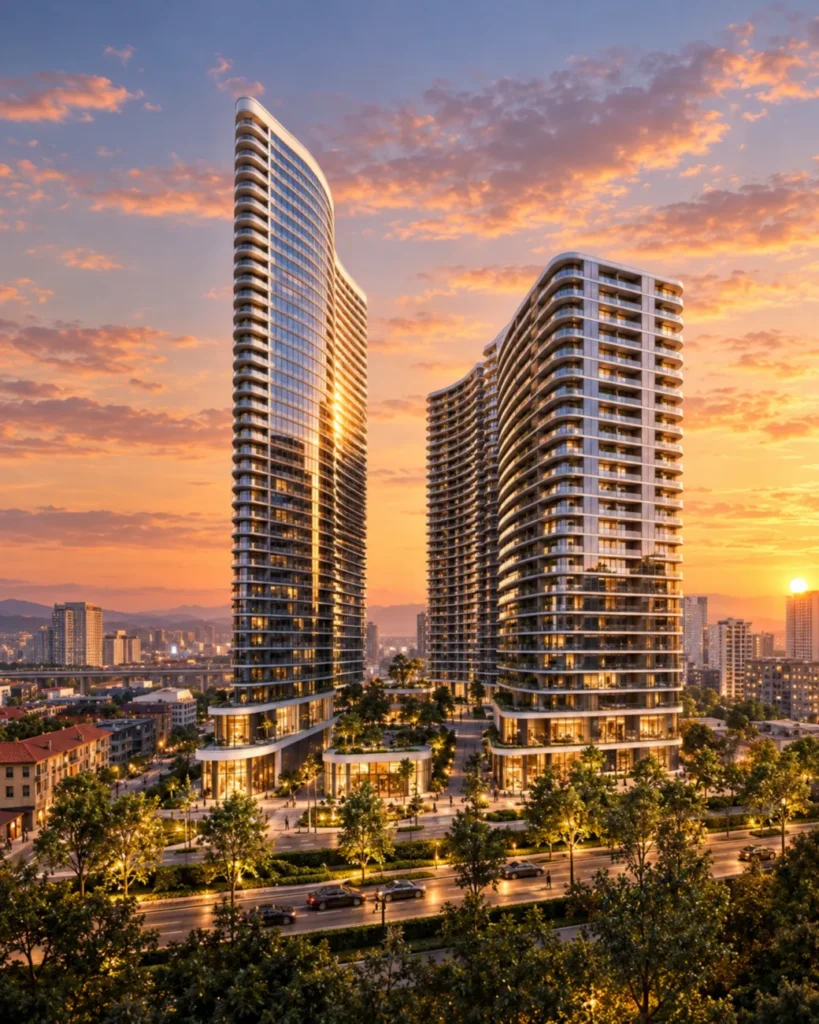

Pros and cons of secondary housing
Buying a second-hand flat allows you to make a decision based on the actual situation: You can see the view from the window, hear the street, and assess the condition of the entrance hall, your neighbours and the courtyard. If the flat is furnished and equipped with appliances, you can move in or start the tenancy fairly quickly after the transaction has been registered and the property has been handed over.
In Tbilisi’s established neighbourhoods, second-hand properties are often situated in areas with well-developed infrastructure — close to schools, pharmacies and transport links — which newer residential developments on the outskirts do not yet have.
The risks include — wear and tear on utility infrastructure, which are difficult to assess at a glance: pipes, electrical wiring, roofing and ventilation. Hidden defects may become apparent after purchase. Poor-quality cosmetic refurbishment carried out ‘for the sake of a sale’ is a different matter altogether – something an experienced professional will spot, but an inexperienced buyer will not.
A second-hand flat in a relatively new building can offer a compromise between buying off-plan and purchasing a property in the existing housing stock. The buyer has the opportunity to view the finished property, assess the surroundings and check the condition of the building services. However, the advantages of this option depend on the quality of the build, the price, the legal status of the flat and the actual costs of maintaining it.
Which is cheaper: a new-build or a second-hand property?
One potential mistake when comparing properties is to focus solely on the price per square metre. The advertised price does not take into account the condition of the flat or how much you will need to spend before you can move in.
The type of finish has a significant impact on the actual budget. On the Georgian property market, off-plan flats are most often offered in one of three stages of completion. A ‘bare shell’ consists of walls and partitions without any finishing work; the buyer has to do everything from scratch. A ‘white shell’ comprises levelled walls, a floor screed and basic electrical wiring; only the finishing work remains to be done. The term ‘green shell’ means different levels of completion depending on the developer — ranging from a high-standard shell to a fully finished property; the specific scope of works is set out in the list attached to the contract. Terminology varies, so the scope of works should be clarified in the contract rather than based on the title. For more details on Types of structural frames and finishes in new-build properties in Georgia You can read about this in a separate article.
What needs to be done after the purchase
| Condition of the flat | Possible additional work | What to check before paying |
|---|---|---|
| Black frame | Utilities, surface preparation, finishing, plumbing, kitchen | List of work already completed |
| White frame | Finishing works, bathroom fittings, lighting, kitchen, furniture | Electrical and plumbing installations, screed, windows |
| Green frame | It depends on the terms and conditions set by the individual developer | Detailed specifications in the contract |
| A newly built property | Possible finishing touches, furniture and appliances | The reliability of utilities and the quality of work |
| A second-hand flat that has been refurbished | Localised repairs, replacement of equipment or concealed services | Condition of pipes, wiring, ventilation and waterproofing |
For comparison, request at least two quotes for the renovation of the same flat. For example, with a hypothetical finishing budget of $200 per m², a 60 m² flat would cost $12,000, whereas at $350 per m² — $21,000. The difference is $9,000.
The rates of $200 and $350 per m² are purely illustrative estimates and are not based on average market prices for renovation work in Georgia. The actual cost estimate depends on the scope of the work, the materials used and the initial condition of the flat.
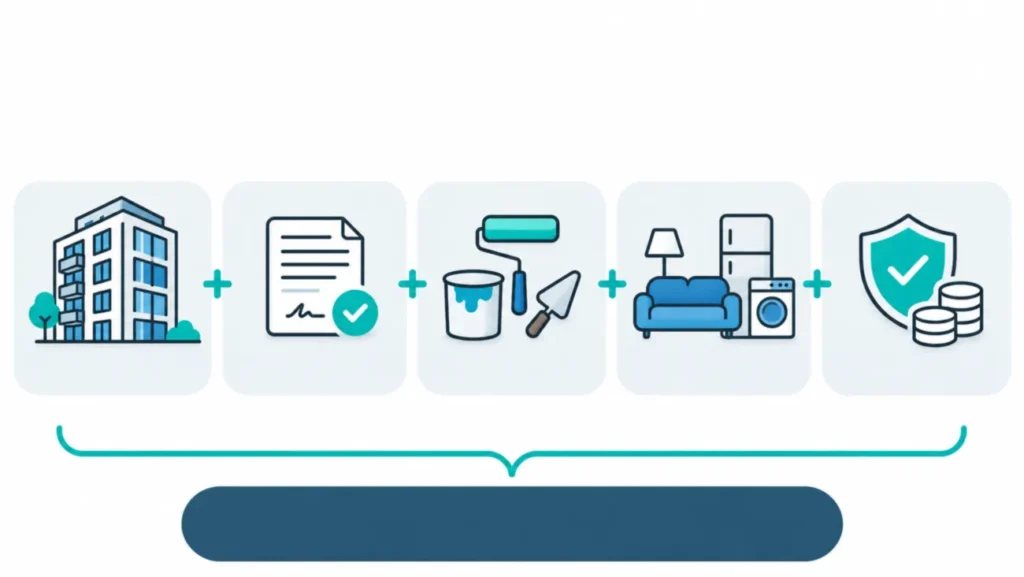
The full formula for expenditure is as follows:
Total budget = purchase price + transaction costs + refurbishment + fittings + unforeseen expenses.
The costs associated with the registration process include the state fee for registration in the Public Register (NAPR), payable in GEL, any agency commission, and the services of an interpreter or solicitor in the case of complex transactions. According to the official NAPR tariffs, the registration of the creation, amendment or termination of a right to immovable property costs 150 GEL with a processing time of 4 working days, 270 GEL for registration within 1 working day, and 350 GEL for registration on the day the application is submitted. Obtaining extracts, cadastral documents and other services are charged separately in accordance with current rates. Before the transaction, it is necessary to clarify the list of required registration procedures. Current rates are available at the NAPR website.
How much does a 60 m² flat cost: a comparison of Tbilisi and Batumi
To illustrate the point, let’s work out the cost of a 60 m² flat based on average market figures. This is a simple calculation, not an assessment of specific properties.
| City | Primary market | Secondary market | The difference |
|---|---|---|---|
| Tbilisi | $86 040 | $83 220 | $2 820 |
| Batumi | $117 600 | $89 820 | $27 780 |
The calculation shows that the price difference depends on the city and the properties’ specifications. However, it is incorrect to compare only the final cost: in Tbilisi, the initial figure refers to a bare shell, whilst in Batumi it refers to a fully finished property. For a proper comparison, both options need to be brought to the same stage of completion and the costs of renovation, furniture and interior design must be taken into account.
Total purchase cost under the provisional budget: $100,000
All figures represent a hypothetical calculation scenario and do not reflect average market indicators for Georgia. The line ‘Registration costs’ includes the hypothetical total cost of registration and related services, including the equivalent of the NAPR state fee. The actual amount of the fee is determined in GEL according to the tariff for the selected service, whilst its equivalent in USD depends on the exchange rate on the date of calculation.
| Object of expenditure | Flat under construction (shell) | New-build property (fully finished) | A second-hand flat that has been refurbished |
|---|---|---|---|
| Price of the property | $78 000 | $90 000 | $82 000 |
| Registration fees (for illustrative purposes) | $400 | $400 | $500 |
| Repairs and materials | $12 000 | $2 000 | $3 000 |
| Furniture and appliances | $7 000 | $5 000 | $3 000 |
| Contingency reserve* | $2 600 | $2 600 | $2 600 |
| Total | $100 000 | $100 000 | $91 100 |
| The period prior to first use | Depends on the contract term + repairs | Relatively quickly | The duration depends on the contract and the condition of the property. |
The $2 600 reserve is, for the purposes of this educational comparison, assumed to be the same for all properties; for a real-life transaction, you should calculate it separately based on the condition of each property.
Buying a second-hand flat appears to be cheaper at the time of purchase. However, if the buyer was planning to let out the flat, the months spent waiting for a new-build property to be completed represent a real loss of income or continued expenditure on renting their own accommodation. This ‘hidden’ cost isn’t shown in the table, but it can be quite significant.
Cheaper on paper does not always mean cheaper in reality. The total cost, taking into account repairs, fitting out and the period before it comes into use, is what matters.
Running costs also vary. Service charges in Batumi’s apartment complexes depend on the rate per square metre, the size of the flat and the service package; before purchasing, ask for the approved rate, the management agreement, a list of mandatory services and the procedure for adjusting charges. When choosing an investment flat, service charges must be deducted from the projected income.
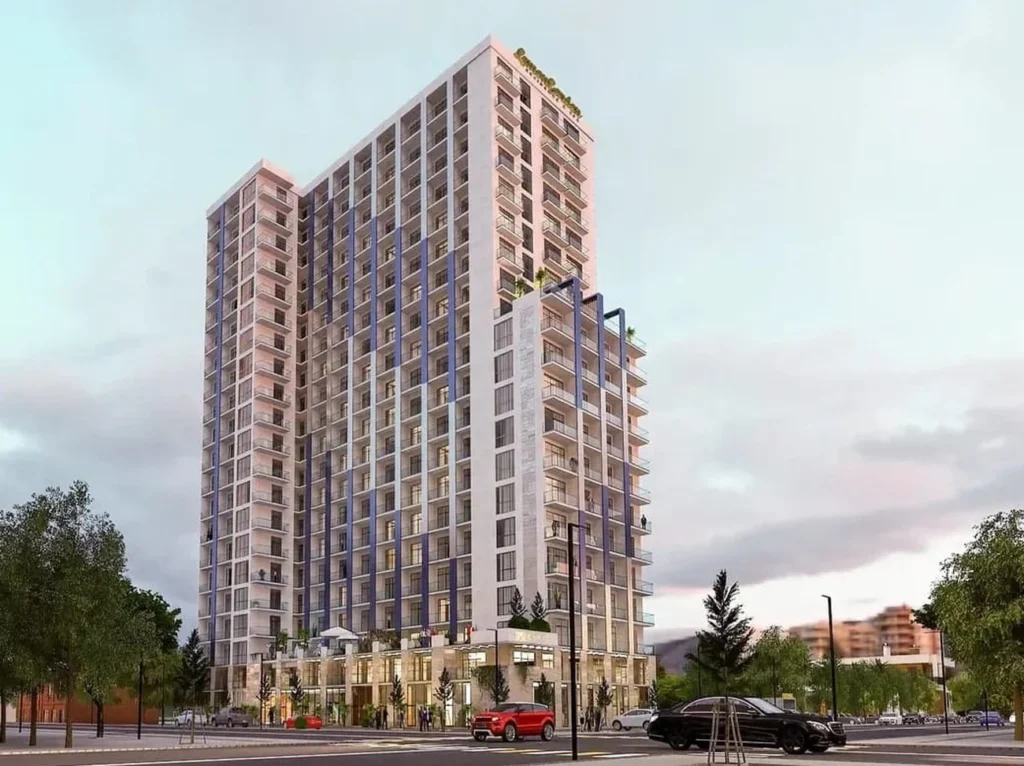
Ready-to-move-in flats in Georgia: options without having to wait for construction to be completed
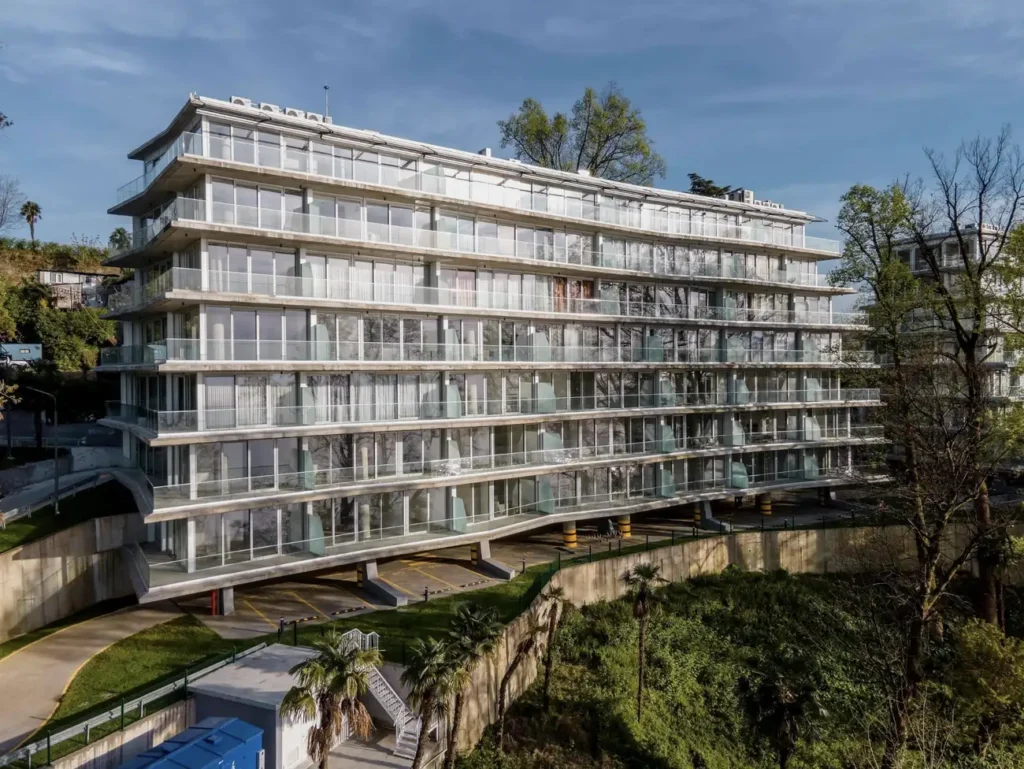


Batumi, Tbilisi and Gonio: what’s the difference?
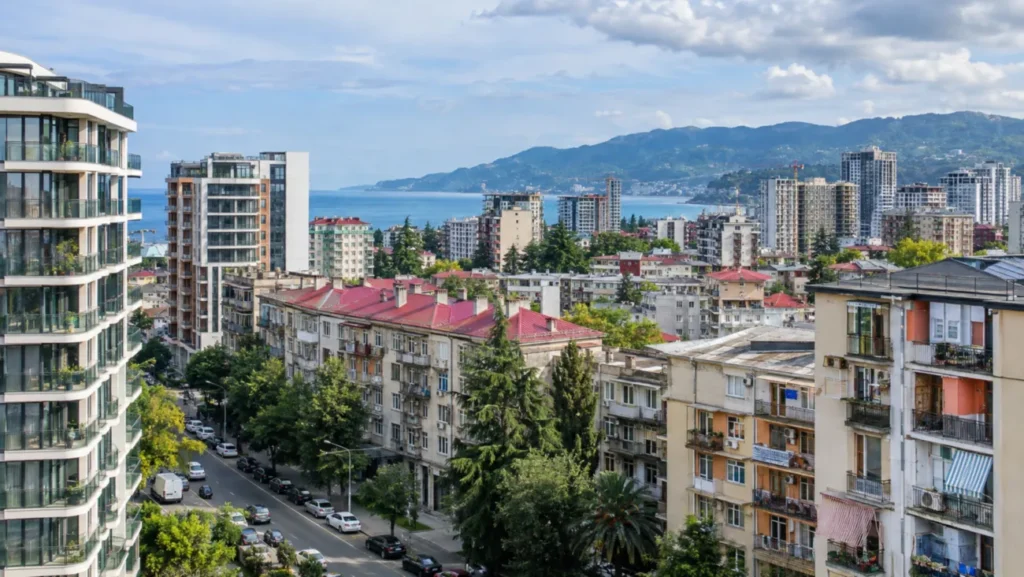
The region has a significant impact on the selection criteria. A flat by the sea and a flat for permanent residence in the capital serve different purposes — and are assessed according to different criteria.
Batumi and the coast
Batumi offers a range of properties, from holiday apartments and investment projects to standard homes for permanent residence; demand and prices vary considerably. Here, apartment complexes managed by property management companies sit alongside standard new-build residential properties and older Soviet-era buildings in the city centre.
Proximity to the sea can affect the price of a flat; however, the extent of the price difference depends on the specific location, the view from the windows, the building’s specifications and the availability of comparable properties. At the same time, a coastal location requires particular attention to the quality of façades, metal structures, glazing and ventilation due to the effects of humidity and salty air. This means more frequent maintenance and the potential for accelerated corrosion of cheaper finishing materials. When choosing either a new-build or a second-hand flat in a coastal area, it is worth asking the developer or seller for details of the materials and systems used.
Short-term rentals in Batumi are particularly seasonality: high demand during the tourist season and a significant drop in occupancy rates during the off-season. The length of the low season depends on the location and how the property is managed; when calculating returns, base your calculations on actual data from comparable flats rather than average forecasts. In large apartment complexes in Batumi, several flats may be competing for the same category of tenants at the same time. The level of competition depends on the number of similar properties on offer, the season, rates and the quality of management. To assess investment potential, compare the actual occupancy rates, average rates and running costs of comparable flats over a specific period.
Transport and community infrastructure in Batumi is uneven: in the city centre and along the seafront, everything you need is readily available, whereas in the rapidly developing districts on the outskirts, shops, schools and health centres may be some distance away. Detailed An overview of Batumi’s neighbourhoods, including infrastructure and property prices will help you find your way around the locations.
Tbilisi and residential areas
In Tbilisi, when choosing a flat for permanent residence or long-term rental, transport links, proximity to workplaces, schools, shops and other everyday amenities are of particular importance. Rental potential must be assessed on a neighbourhood-by-neighbourhood and property-type basis: demand, rental rates and the time taken to find a tenant can vary significantly. The principle of ‘an established neighbourhood with good infrastructure’ works well here, although it is less applicable in Batumi.
Tbilisi’s older housing stock — buildings dating from the 1950s to the 1980s — should not automatically be regarded as dilapidated. Many of them are well situated, have high ceilings and spacious courtyards. However, the building services (electrical wiring, pipework, roofing) require thorough inspection: the hidden costs of rectifying defects may prove to be substantial.
New-build developments in Tbilisi are flourishing in Didube, Digomi, Gldani, Ortachala and other districts. Some of these new developments are situated in established neighbourhoods with existing infrastructure, whilst others are being built in areas where transport links and access to everyday amenities are currently limited. Plans for the construction of schools, shops and new transport routes should be verified against official documents and should not be taken as guaranteed.
How selection criteria vary by location
| Location | Key benefits | What to check | What kind of scenario is this suitable for? |
|---|---|---|---|
| Batumi (city centre, 1st seafront) | Location in a tourist area, with easy access to the sea and the town’s amenities | Seasonal fluctuations in rent, service charges, condition of the façade | Short-term rentals, holidays |
| Batumi (new districts) | Modern housing, perhaps cheaper | Distance from the sea, local amenities, competition within the development | Investments based on risk appetite and expectations |
| Tbilisi (established districts) | Infrastructure, transport, schools | Condition of the building, utilities, legal risks | Permanent residence, long-term tenancy |
| Tbilisi (new projects) | Modern layouts, new utilities | Availability of infrastructure, completion dates | Willingness to relocate, long-term investment |
| Gonio and Quarati | Natural surroundings, less dense development | Year-round infrastructure, transport | Holiday accommodation; long-term lets available |
Gonio and Kvariati have their own distinctive characteristics: they are coastal holiday destinations with less well-developed year-round infrastructure. Some of the properties here are suitable for permanent residence, but transport links and the range of services on offer are not as good as in Batumi. An overview of Gonio, including neighbourhoods and prices provides a more detailed picture of this location.
Risks involved in buying: what you need to check
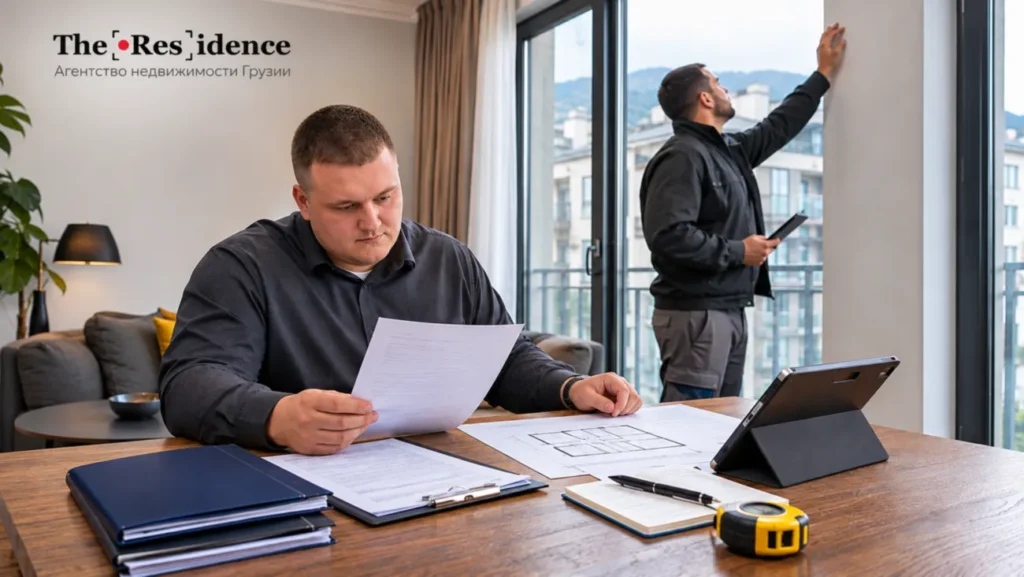
Both segments involve legal and technical risks. The difference lies in what exactly needs to be checked.
Inspection of a new-build property
When buying a flat that is still under construction, it is important to check the legal basis of the project, not just the developer’s reputation.
Points to clarify:
- Legal status of a plot of land — whether it is owned or leased by the developer, and whether the rights are registered in the Public Register.
- Planning permission — current, in accordance with the project.
- Compliance with the project documentation — Make sure that the flat described in the contract corresponds to the officially approved plans.
- The developer’s history — completed projects, actual completion dates for previous projects, legal disputes.
- Terms of the contract — payment arrangements, liability for delays, the refund procedure in the event of a breach of obligations, and the terms for the handover of the property.
- Registration of rights and obligations — Article 183 of the Civil Code governs the requirement for a transaction to be in writing and the registration of the purchaser’s rights. Before signing the contract, it is necessary to check which rights or obligations may be registered in the Public Register in relation to the specific flat under construction. An entry regarding the developer’s contractual obligation does not in itself mean that the buyer has already become the owner of the property. The legal significance of the entry depends on its type, the content of the contract and the registration documents. To verify this, you should obtain an up-to-date extract from the NAPR and, if necessary, consult a Georgian lawyer. Procedure for dealing with an audit of a property developer in Georgia is set out in a separate article.
Inspection of second-hand property
When buying a second-hand flat, the key document is — a current extract from the NAPR Public Register, which can be ordered online. It shows the registered rights holder and any encumbrances and restrictions recorded in the register. This is a starting point, but not a comprehensive check: the history of transfers of rights and the supporting documents are requested and analysed separately where necessary.
A practical checklist for second-hand properties:
- Extract from the Public Register: the registered rights holder and any encumbrances recorded. The history of transfers of rights may be requested separately if necessary.
- The seller’s identity and proof of authorisation (a power of attorney, if a representative is acting on their behalf).
- Whether the area and intended use of the property correspond to the information in the register and the actual situation.
- Alterations to the layout — were they authorised or carried out without permission?
- Technical condition: electrical wiring, plumbing, heating, roofing (if it is the top floor).
- Condition of communal areas: entrance hall, lift, roof, façade.
- Any outstanding debts relating to utility bills or the property management company.
- Existing tenancy agreements — if the flat is let, check their status.
- Terms and conditions governing the physical handover of the flat.
- Frequent changes of ownership within a short period may be a warning sign — check the grounds for the transfer of ownership.
An extract from the register does not replace a technical inspection of the building. Nor does a visual inspection replace a legal due diligence check. Both are necessary.
A separate check is recommended an article on how to check a property in Georgia before buying it. In the case of complex transactions — such as those involving multiple owners, a foreign seller or a mortgage — it is advisable to engage a Georgian lawyer.
What questions should you ask before paying a deposit or advance payment?
| To the developer | To the seller of a second-hand flat |
|---|---|
| On what basis does the company use the plot of land? | Who is registered as the owner of the flat? |
| Has a planning permission been granted? | Is there a mortgage, a charge or any other restrictions? |
| When is the handover of the flat scheduled, and what are the consequences of a delay? | Are there any current tenancy agreements? |
| What exactly does the finishing work involve? | Were there any alterations to the layout, and were they approved? |
| What payments are required after the handover of the flat? | Are there any outstanding payments owed to service providers or the management company? |
| Which of the buyer’s rights can be registered before construction is completed? | What defects is the seller aware of? |
| What are the refund terms in the event of contract termination? | When will the flat be physically vacated and handed over? |
Before making any payment, you must obtain documents confirming the key terms of the transaction. Verbal assurances from the seller or the developer’s manager are no substitute for a contract, an extract from the register and a technical inspection.
Instalment plans, mortgages and purchase deadlines
The financial structure of a transaction has at least as much of an impact on the final cost as the type of property.
When buying a new-build property Payment plans offered by developers are standard practice in the Georgian market. The initial deposit, payment terms and structure, the total contract price under a payment plan, and the consequences of late payment are all set out in the contract for the specific project. Before opting for an instalment plan, compare the total contract amounts: some developers may offer a discount for a lump-sum payment; the availability and amount of any such discount must be confirmed in a written offer on the date of the transaction.
The currency in which prices are quoted and the method of actual payment require special attention. In Georgia, the lari is legal tender, except where otherwise provided for by law. If the price of a flat is pegged to the US dollar or another foreign currency, it is necessary to check the permissible method of payment, the exchange rate applied and the date on which it was determined. Where the buyer’s income is in another currency, an additional exchange rate risk arises. All terms relating to currency conversion must be expressly agreed in the contract.
The construction timeframe may change, so the buyer should check the developer’s contractual liability and the consequences of any delay in the handover of the property. This represents a genuine additional cost if the buyer is moving from another town or country.
When buying a second-hand property Mortgages are, in theory, available from Georgian banks, but eligibility and requirements for non-residents are determined by the specific bank’s policy, proof of income, the currency of the loan and the property’s characteristics; please enquire for a personalised assessment. The general process for purchasing a property is as follows: foreign nationals wishing to take out a mortgage, has its own specific characteristics.
Which is more profitable for letting and investment?
When making an investment purchase, it is important to compare the time to first income, the total cost, the expenses and the risks associated with each property. When will the income start coming in, and how much will it cost until then?
The rental market in Tbilisi and Batumi: outlook for 2026
| Indicator | Tbilisi | Batumi |
|---|---|---|
| Period | September 2026 | Second quarter of 2026 |
| Published gross yield | 9,4% | 7,1% |
| Additional indicator | $11.3/m² per month for flats of 50–60 m² | The average daily rate fell by 4.2% year-on-year |
The published gross yield does not take into account all the owner’s individual expenses. When choosing between a new-build and an existing property, it is necessary to assess separately the cost of refurbishment, the time required to prepare the property for letting, occupancy rates, management costs and taxes. It is particularly important not to apply the average market yield to a specific flat in Batumi without checking its actual rental history.
A flat under construction may offer an attractive initial price, and its market value is likely to rise during the construction period. This is a possibility, not a guarantee: any increase in value depends on the location, market conditions, the quality of the development and the macroeconomic situation.
A ready-to-move-in flat allows you to start looking for a tenant sooner; however, the time it takes to receive your first income depends on demand and the property’s readiness. This advantage is particularly significant if your investment horizon is 2–3 years.
Gross rental yield represents the ratio of annual rental income to the property’s value and does not take into account all of the owner’s costs. To calculate the net yield, one first determines the actual expected revenue, taking occupancy rates into account, and then deducts operating expenses, applicable taxes and a maintenance provision. The resulting figure is divided by the total invested capital and multiplied by 100%.
The taxation of rental income depends on the landlord’s status and the nature of the property’s use. Under Article 81(2) of the Tax Code of Georgia, an individual’s income from letting residential accommodation may be taxed at the rate 5% without any tax deductions. To apply this regime, the requirements of the Revenue Service must be taken into account, including the landlord’s registration in the register of persons letting residential property and the applicable registration deadlines. When letting property to a legal entity, as well as in the case of short-term tourist accommodation, the tax conditions must be checked separately. The mere fact of owning a residential flat does not guarantee that rate 5% will apply. Before calculating the return on investment, it is necessary to clarify the applicable tax regime.
In Batumi, with its pronounced seasonality, there may be months with low occupancy; the specific amount of downtime should be estimated on the basis of data from comparable flats and conservative scenarios — not averaged forecasts.
The formula for net return:
Net yield = (annual rental income − operating expenses − reserve) / total invested capital × 100%.
Changes in the market value of the property and the potential proceeds from its sale are separate factors that are not included in this formula.
A comparison of two investment scenarios
A hypothetical training scenario with clearly stated assumptions. This is not a forecast of actual results.
| Indicator | An off-plan flat | A ready-to-move-in flat |
|---|---|---|
| Total invested capital | $95 000 | $95 000 |
| The period prior to the first tenancy | 14 months (construction + refurbishment) | 2 months (preparation) |
| Rental income over 3 years (for illustrative purposes) | $24,000 (only 22 months out of 36) | $33 600 (34 months out of 36) |
| Operating expenses (administration, taxes, maintenance and other actual expenses) | $7 200 | $10 100 |
| Maintenance provision | $2 400 | $2 100 |
| Pro forma profit for the three-year period after operating expenses and provisions | $14 400 | $21 400 |
| Key risks | Delays, rising repair costs | Hidden defects, competition |
In this educational model, the total capital invested for each scenario is $95,000. For a flat under construction, 22 months of potential rental income over a three-year period are assumed; for a completed flat, 34 months. Rental income, operating expenses and the reserve are hypothetical figures and do not reflect average market figures. The period until the first tenancy has already been factored into the income; therefore, the income lost during this time cannot be deducted again as an operating expense. For a flat under construction, the hypothetical average monthly rental income is approximately $1 091; for a completed flat, it is approximately $988. Differences in rental rates and expenses are provided for illustrative purposes only and do not confirm the advantages of any particular market segment. To assess the impact of the waiting period separately, it is necessary to construct an additional scenario with identical monthly rates, occupancy rates and a comparable cost structure.
The resulting cash return amounts to $14,400 and $21,400 respectively, excluding changes in the market value of the flat, a potential sale and the associated costs. Should the market value change, the final return on investment may vary; for a comprehensive comparison, it is necessary to take into account separately the likely sale price, transaction costs, taxes and the holding period — price appreciation is not guaranteed.
For a novice landlord with no management experience, a ready-to-move-in flat in an established neighbourhood eliminates the need to wait for construction to be completed; its overall risk can only be assessed following a legal, technical and financial due diligence process. An investor with a long-term horizon and a high tolerance for construction risks may consider a property under construction — provided that the developer and the contract are thoroughly vetted.
Which is easier to resell: a new-build or a second-hand property?
The marketability of a flat is not determined solely by the age of the building. For a prospective buyer, the price, transport links, floor plan, condition of the building, legal status and the number of competing offers are all important factors.
In the case of a flat in a building under construction, resale may depend on the terms of the original contract, the procedure for transferring contractual rights and the developer’s consent, where required. In the case of a completed property, the buyer can inspect the actual condition of the flat and the building.
When assessing the resale potential, it is worth checking:
- How many comparable flats are on offer in the same block or neighbourhood?
- How much does the price of the property differ from similar listings?
- What costs will the next buyer incur following the transaction?
- Are there any restrictions, encumbrances or special provisions in the contract?
- How popular is the location for permanent residence or renting?
A high asking price in a property advert does not guarantee that the flat will sell quickly at that price. To assess marketability, it is useful to refer to data on completed sales and the time comparable properties have been on the market, where such information is available.
How to choose investment property in Georgia Taking into account a comprehensive analysis of risks and returns is a topic for a separate discussion.
Which flat should you choose to suit your needs?
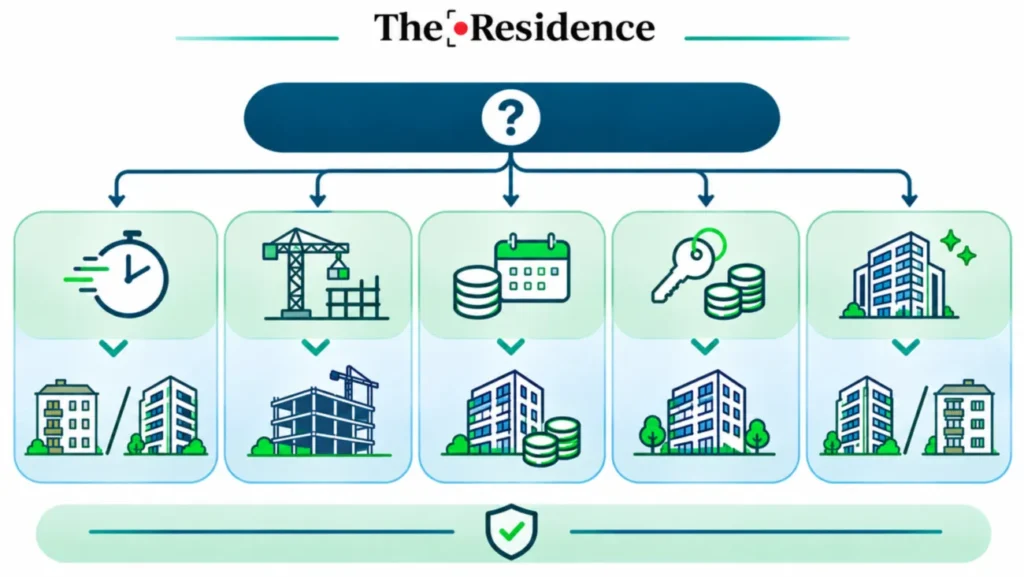
The type of property alone does not determine the right choice. It depends on the buyer’s specific circumstances.
1. We need to move house in the coming months. A property under construction is not suitable — completion dates are set by the contract and are not always predictable. The best option is a refurbished second-hand flat or a ready-to-move-in flat from a developer. The main trade-off is the limited choice of floor plans. If you’re looking for a modern building, consider a second-hand flat in a block that is 3–8 years old.
2. I’d like a flat by the sea for a holiday. Buying on the secondary market in Batumi allows you to acquire a ready-to-move-in property in a proven location. A new-build property managed by a property management company is a convenient option if you wish to outsource letting and maintenance. The main trade-off for either option is seasonality and competition within large complexes.
3. The aim is to generate rental income. A ready-to-move-in flat allows you to start looking for a tenant sooner; however, the time it takes to receive your first rental income depends on demand and the property’s readiness. Choose a property based on actual rental demand in the area, rather than the projected returns advertised in promotional materials. An off-plan flat can be a good option if you already own your own home or if finding a tenant during this period is not a priority.
4. The budget is limited, but we can wait. A flat under construction is often available at a lower initial price. However, it is important to set aside a full budget: refurbishment, fitting out and the waiting period do cost money. Make sure you have a financial buffer.
5. A modern home and as little uncertainty as possible are important. Consider a ready-to-move-in flat from a developer. Unlike a property still under construction, you can view such a flat before purchasing it and check the actual condition of the building. You must ensure that the seller’s title is registered, that a certificate of occupancy is available where required by law, that the utility networks are operational, and that the flat can be used legally. This option allows you to avoid waiting for construction to be completed, but does not rule out legal and technical risks.
Ready-to-move-in flats in a modern building should be considered as a separate category when comparing properties under construction with the existing housing stock.
What to choose depending on the purpose of your purchase
| Purpose | A new-build property currently under construction | A newly built property | Secondary |
|---|---|---|---|
| Permanent residence | That’ll do, if we can wait | You can have a look round and move in more quickly | You can assess the area and its condition |
| Long-term lease | Income is possible once the work has been completed and finalised | You can start looking for a tenant earlier | Suitable where there is confirmed demand |
| Daily rental | The proposed management model requires review | The rules of the complex and the costs are important | Location, condition and terms of use are important |
| Resale | There are construction and market risks | It is possible to sell an existing property | The legal history, price and condition are important |
| Payment by instalments | May be available from the developer | It depends on the offer | It depends on the agreement with the seller and the bank’s terms and conditions |
| Purchase as is | Not usually suitable for transmission within a frame | Suitable for finished surfaces | This is acceptable if the buyer is satisfied with the repairs |
No type of property guarantees a return on investment or an easy resale. When making an investment purchase, it is essential to compare the total cost, rental income, expenses and potential demand at the time of sale on a case-by-case basis.
Can’t decide between a new-build and a second-hand property in Georgia? The Residence will help you compare suitable properties in Batumi, Tbilisi and along the coast, taking into account your budget, timeframe and objectives. Find a property that suits your needs.
A step-by-step guide to choosing a flat
Before you start looking at specific adverts, it’s worth taking a few preparatory steps — they significantly narrow down your options and reduce the likelihood of making a mistake.
- Decide on the purpose and duration of use. Whether you’re moving house, looking for a holiday home, renting or reselling — everything else depends on this: the type of property, the location and the investment horizon.
- Set a total budget. Not an estimated price for the flat, but the total amount, taking into account renovation costs, fittings, transaction costs and a contingency fund.
- Select a district. Compare the infrastructure, transport links and proximity to the sea (for Batumi) or to workplaces and schools (for Tbilisi). This defines the geographical scope of your search.
- Find a few comparable properties. At least two or three options from different market segments — off-plan, new-build and second-hand — with similar specifications and within your overall budget.
- Compare the finishes and lead times. Please specify the type of building frame, the agreed date of completion, and the period until you move in or start receiving income.
- Please check the documents. For a new-build property, check the planning permission, the legal status of the land and the contract with the developer. For a second-hand flat, obtain an up-to-date extract from the NAPR, check the registered owner and all encumbrances listed. If the flat is subject to a mortgage or there are other restrictions, the procedure for removing or resolving these must be agreed and documented before the transaction is finalised. Legal assistance is recommended if the transaction involves a complex structure. Instructions for the full Checking a property in Georgia before buying will help ensure you don’t miss any important points.
- Have a look round the flat and the building. Not just the flat itself, but also the entrance hall, the façade, the roof (if accessible), the utilities and the courtyard. For older buildings, the condition of the pipework and electrical installations.
- Work out the costs. The total cost is calculated using the formula given in the section above. For an investment property: the period to first income and the projected net yield, taking into account operating costs.
- Please check the terms of the contract. Payment arrangements, liability for delays, the handover process, and the terms of termination. Legal support where required.
- Only make a decision once any significant uncertainties have been resolved. If the seller cannot explain the discrepancy in the documents, or if the developer evades questions about planning permission, that is a reason to walk away.
Conclusion
Choosing between a new-build and a second-hand property in Georgia is not a question of ‘which is better in principle’. It is a question of whether a particular property meets a particular need.
For a buyer who needs to move in within the next few months or start letting out a flat, it makes more sense to look at ready-to-move-in properties — either on the secondary market or those that have just been handed over by the developer. For buyers with time on their hands and a good understanding of construction risks, a project currently under construction may offer attractive payment terms and a modern building.
In both cases, it is not the market segment to which the property belongs that is decisive, but rather the quality of the specific property: its legal status, technical condition, actual value taking into account repairs and additional costs, and whether the location meets your requirements. In Batumi, this means taking into account seasonality and coastal operating conditions. In Tbilisi, it means proximity to infrastructure and transport links.
When making your choice, don’t limit yourself to comparing a new-build property under construction with older housing stock. A ready-to-move-in flat in a modern building could be a viable alternative, provided its price, condition and legal documents meet your requirements.
Before making a decision, compare the total cost — not just the asking price — check the documents and inspect the property. This check helps to identify significant risks in advance and reduce the likelihood of unforeseen expenses after the purchase.
Can’t decide between a new-build and a second-hand property?
The Residence will help you compare available options in Batumi, Tbilisi and along the coast, based on your budget, the condition of the flat and your requirements. Answer a few questions to get started.
Compare options
 Property in Montenegro
 Property in Cyprus
 Real estate in UAE
 Property in Bali
 Property in Thailand
 Property in Spain
 Property in Saudi Arabia
 Property in Turkey
 Property in Zanzibar
 +995 551 50 18 84
 hello@residence-estate.ge
 Georgia, Batumi, Sherif Khimshiashvili str. 1, office 1204


 Get catalogue of TOP-7 objects